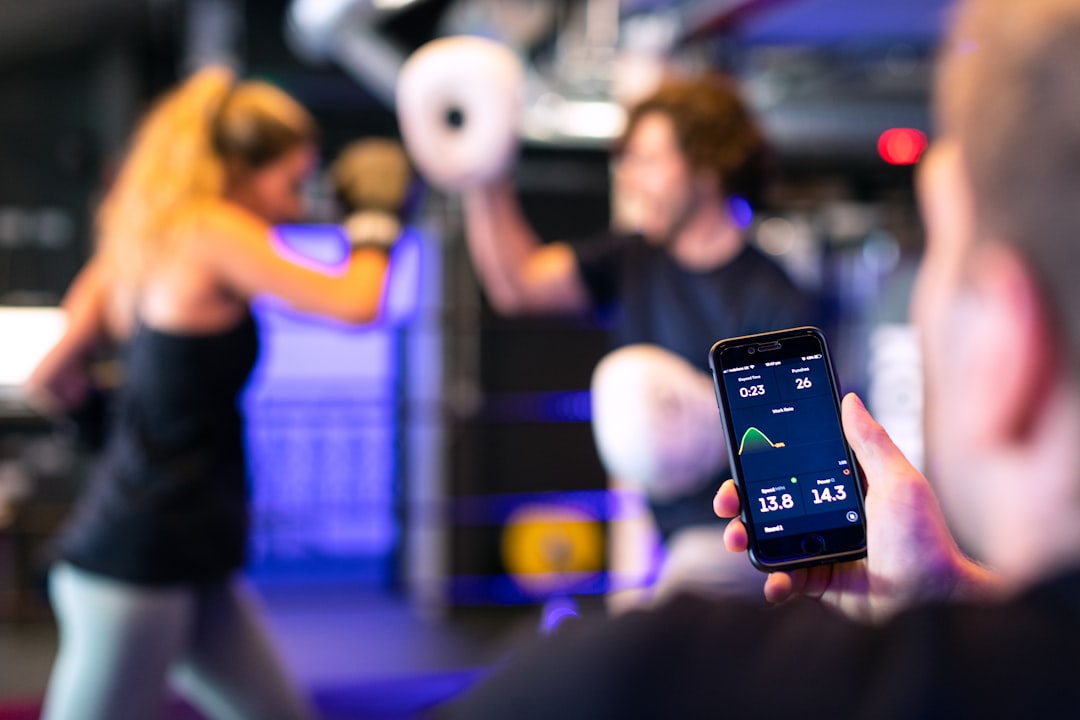


Nutrition coaching has evolved far beyond meal plans sent as PDF attachments. Today’s clients expect seamless digital experiences that connect their food logs, wearable data, workout sessions, and health metrics into one cohesive ecosystem. For coaches and health professionals, this means choosing software that not only delivers structured nutrition guidance but also integrates smoothly with popular fitness and health apps. The right platform can improve compliance, deepen client insights, and significantly streamline administrative tasks.
TLDR: Modern nutrition coaching software must integrate with fitness trackers, health apps, and wearable devices to provide meaningful, data-driven guidance. This article reviews three professional-grade SaaS platforms—Trainerize, Healthie, and Practice Better—that stand out for their integrations, scalability, and coaching tools. Each platform offers unique strengths depending on whether the focus is fitness performance, telehealth nutrition therapy, or holistic health coaching. A detailed comparison chart is included to help you evaluate the best fit for your practice.
Why Integration Matters in Nutrition Coaching
Data fragmentation is one of the biggest barriers to effective coaching. When food logs exist in one app, workouts in another, and biometrics in a third, coaches spend unnecessary time synthesizing information manually. Integration solves this problem by creating a unified dashboard that enables:
- Real-time biometric tracking (weight, steps, heart rate, sleep)
- Automatic food diary syncing
- Workout and energy expenditure alignment
- Simplified client communication
- Automated habit and progress monitoring
High-quality integrations improve accuracy while reducing friction for both client and professional. This is particularly important in clinical nutrition, sports performance, and long-term weight management, where consistent data drives better outcomes.
1. Trainerize
Best for fitness-focused coaches who combine workouts and nutrition programming
Trainerize has long been recognized as a leading personal training platform, but its nutrition features—combined with robust app integrations—make it a serious contender for holistic coaching businesses.
Key Integrations
- MyFitnessPal
- Apple Health
- Fitbit
- Withings
- Garmin
- Google Fit
Trainerize syncs biometric data directly into the coach dashboard, offering visibility into calorie intake, daily steps, weight trends, and activity levels. Its integration with MyFitnessPal is especially valuable for calorie and macronutrient tracking.
Nutrition Features
- In-app meal tracking
- Custom meal plan builder
- Habit coaching tools
- Automated macro calculations
- Progress photo tracking
While Trainerize is not a clinical dietetics platform, it excels in performance-oriented environments. Coaches can align macronutrient goals with training programs and monitor adherence in real time.
Strengths
- Strong fitness and workout integration
- Excellent mobile user experience
- Scalable for large coaching businesses
- Built-in messaging and group coaching
Limitations
- Less suited for insurance-based dietitians
- Clinical charting features are limited
For strength coaches, online personal trainers, and hybrid fitness-nutrition professionals, Trainerize offers a powerful, streamlined system.
2. Healthie
Best for registered dietitians and telehealth nutrition practices
Healthie is designed specifically for healthcare and nutrition professionals. It blends practice management, telehealth, and client engagement tools with meaningful health app integrations.

Key Integrations
- Apple Health
- Fitbit
- Google Fit
- Withings
- Dexcom (for glucose data)
- Stripe (payments)
Healthie’s integration layer is especially valuable in clinical nutrition settings. Coaches and dietitians can track:
- Blood glucose trends
- Body composition metrics
- Daily activity levels
- Weight fluctuations
This makes it particularly effective for managing diabetes, metabolic disorders, and weight-loss interventions.
Nutrition and Practice Features
- HIPAA-compliant telehealth
- Electronic charting and documentation
- Insurance billing support
- Meal plan builder and food diary
- Secure client messaging
Unlike fitness-forward platforms, Healthie prioritizes clinical workflows. Intake forms, chart notes, and compliance measures are built into the system.
Strengths
- Healthcare-grade compliance
- Insurance and superbill capabilities
- Strong wearable data integration
- Professional client portal
Limitations
- Higher price point
- Less emphasis on workout programming
For credentialed dietitians or nutritionists operating telehealth practices, Healthie offers one of the most robust infrastructures available.
3. Practice Better
Best for holistic health and multi-disciplinary coaching practices
Practice Better is a versatile platform built for nutritionists, health coaches, therapists, and integrative practitioners. Its flexibility and growing integration ecosystem make it attractive to businesses operating across multiple wellness domains.
Key Integrations
- Apple Health
- Fitbit
- Fullscript (supplement dispensing)
- Stripe
- Zoom
While it may not have as many fitness-specific integrations as Trainerize, Practice Better excels at combining client health data with habits, protocols, and care plans.
Core Features
- Customizable programs and protocols
- Food and symptom tracking
- Automations and workflows
- Secure messaging and document sharing
- Package and membership sales
One standout feature is its automation engine. Coaches can trigger messages, reminders, and educational resources based on client behavior or milestones, improving engagement without increasing administrative workload.

Strengths
- Highly customizable
- Suitable for multiple health disciplines
- Strong business tools and automation
- Professional client experience
Limitations
- Workout programming less advanced than Trainerize
- Insurance workflows less specialized than Healthie
Practice Better is ideal for growing wellness businesses that need both clinical oversight and coaching flexibility.
Comparison Chart
| Feature | Trainerize | Healthie | Practice Better |
|---|---|---|---|
| Primary Audience | Fitness coaches and trainers | Registered dietitians and telehealth practices | Holistic health and wellness practitioners |
| Wearable Integrations | Extensive | Strong clinical tracking | Moderate |
| Food Logging | MyFitnessPal sync + in-app | Built-in food diary | Built-in food and symptom tracker |
| Workout Programming | Advanced | Basic | Moderate |
| Telehealth | Video add-on | HIPAA compliant built-in | Built-in |
| Insurance Support | No | Yes | Limited |
| Automation Tools | Basic workflows | Moderate | Advanced |
| Scalability | High | High for clinical practice | High for multi-service businesses |
Key Considerations When Choosing a Platform
When evaluating nutrition coaching SaaS tools, consider the following:
- Your credentials: Clinical practitioners require HIPAA compliance and documentation support.
- Your service model: Are you selling fitness transformations, medical nutrition therapy, or integrative wellness programs?
- Your growth plans: Automation and scalability matter more as your client base expands.
- Your integration needs: If your clients rely heavily on wearable technology, robust syncing is non-negotiable.
Integration should not be treated as a minor convenience feature. It directly influences client adherence, quality of insights, and long-term results.
Final Thoughts
The modern nutrition coaching landscape demands more than static meal plans and email check-ins. Clients expect their Apple Watch, Fitbit, food logs, and workout data to align seamlessly within one professional system. Platforms like Trainerize, Healthie, and Practice Better represent three distinct yet powerful approaches to integrated nutrition coaching.
Trainerize dominates in fitness-driven environments. Healthie excels in clinical and telehealth nutrition settings. Practice Better offers flexibility and automation for holistic, multi-disciplinary practices.
Ultimately, the best platform is the one that aligns with your professional standards, operational needs, and long-term business strategy. Choosing carefully can significantly enhance both client outcomes and operational efficiency—two pillars of a sustainable nutrition coaching practice.