


Transportation and supply chain operations have become increasingly complex as fleets scale, customer expectations rise, and regulatory environments tighten. Organizations can no longer rely on manual planning, disconnected systems, or outdated routing models to remain competitive. Transportation technology consulting services provide expert guidance, digital tools, and data-driven strategies that enable companies to optimize fleet performance, reduce costs, and build resilient supply chain networks.
TLDR: Transportation technology consulting services help organizations modernize fleets and supply chains through data-driven tools and strategic implementation. Key services include fleet management system optimization, route and network modeling, telematics integration, automation and AI deployment, and compliance and risk management advisory. These services reduce operational costs, improve service levels, enhance visibility, and ensure regulatory compliance. Companies that invest in specialized consulting gain measurable competitive advantages in efficiency and scalability.
Below are five critical transportation technology consulting services that drive measurable improvements in fleet and supply chain optimization.
1. Fleet Management System Assessment and Optimization
One of the most foundational consulting services involves evaluating and optimizing a company’s Fleet Management System (FMS). Many organizations operate with underutilized software, fragmented data inputs, and limited reporting visibility. Consultants conduct a detailed audit of existing platforms, workflows, and performance benchmarks to identify inefficiencies.
Key focus areas include:
- System integration with ERP and TMS platforms
- Real-time vehicle tracking consolidation
- Maintenance scheduling automation
- Fuel consumption monitoring
- Driver performance analytics
Through configuration improvements and data unification, consultants help fleet operators achieve measurable gains such as:
- Reduced downtime through predictive maintenance
- Lower fuel consumption via performance benchmarking
- Improved asset utilization rates
- Enhanced visibility into total cost of ownership (TCO)
Rather than simply installing software, reputable consultants focus on change management, leadership training, and KPI alignment to ensure sustainable results.
2. Route Optimization and Network Modeling
Transportation costs remain one of the largest operational expenses in logistics. Advanced route optimization and network modeling consulting services use algorithms, geospatial analytics, and simulation tools to redesign delivery routes and distribution strategies.
Consultants typically evaluate:
- Delivery density and geographic clustering
- Load balancing and vehicle capacity planning
- Warehouse location strategy
- Last mile and cross dock efficiency
- Traffic pattern and seasonal variability data
Using mathematical optimization models, companies can reduce empty miles, shorten delivery windows, and improve on-time performance. For large enterprises operating across multi-node distribution networks, this service often uncovers multi-million-dollar annual savings.

In addition to cost reduction, route modeling enhances sustainability. By minimizing unnecessary mileage and idle time, organizations lower carbon emissions and align with environmental regulations and ESG targets.
3. Telematics and IoT Integration Consulting
The integration of telematics and Internet of Things (IoT) technologies has revolutionized modern fleet operations. However, implementing sensors, GPS tracking, and vehicle diagnostics systems without a structured strategy often results in data overload rather than actionable insight.
Technology consultants provide expertise in:
- Hardware selection and deployment planning
- Telematics data architecture design
- Integration with compliance systems
- Driver behavior monitoring dashboards
- Secure cloud-based analytics platforms
The objective is not merely to collect data, but to transform it into actionable intelligence. For example, harsh braking alerts can trigger driver coaching programs, while temperature monitoring ensures integrity in cold chain logistics.
Benefits of effective telematics consulting include:
- Improved safety metrics and reduced accident costs
- Lower insurance premiums through risk documentation
- Enhanced stolen vehicle recovery capabilities
- Real-time performance transparency for stakeholders
Consultants also ensure cybersecurity measures protect connected vehicle infrastructure from emerging digital threats.
4. Automation, AI, and Predictive Analytics Deployment
Data is one of the most valuable assets in transportation operations. However, without advanced analytics frameworks, data remains under-leveraged. Automation and artificial intelligence consulting services help companies implement predictive and prescriptive tools that forecast demand, anticipate disruptions, and automate decision-making.
Common applications include:
- Predictive maintenance modeling
- Demand forecasting algorithms
- Dynamic route recalculation systems
- Automated dispatch scheduling
- Inventory allocation optimization
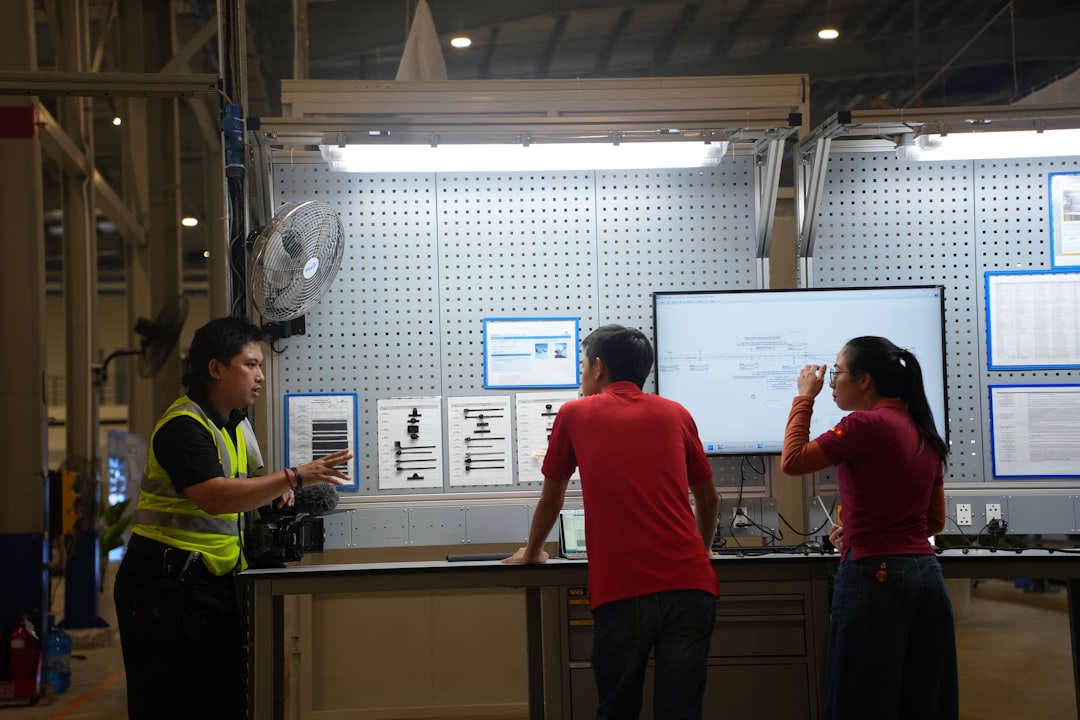
For example, predictive analytics can identify vehicles likely to fail within a defined timeframe, allowing preemptive repairs that prevent costly breakdowns. AI-driven demand forecasting supports better load planning and minimizes backorders.
In high-volume environments, even small improvements in forecasting accuracy can generate significant gains in service level and profitability. Strategic consultants work closely with IT departments to ensure data governance standards and scalability are maintained.
5. Regulatory Compliance and Risk Management Advisory
Transportation operations face complex regulatory requirements, ranging from driver hours of service to vehicle safety inspections and environmental mandates. Non-compliance can result in severe penalties, operational disruptions, and reputational damage.
Compliance consulting services ensure technology systems align with both domestic and international transportation regulations.
These services commonly include:
- Electronic logging device (ELD) integration
- Audit preparation and documentation frameworks
- Safety score monitoring systems
- Environmental reporting automation
- Risk mitigation strategy development
Consultants provide structured compliance dashboards that consolidate regulatory metrics, enabling executives to track risk exposure in real time. This proactive approach significantly reduces the likelihood of fines or unscheduled operational shutdowns.
Comparison of Key Transportation Technology Consulting Services
| Service | Primary Objective | Key Technologies Involved | Business Impact |
|---|---|---|---|
| Fleet Management System Optimization | Improve fleet visibility and utilization | FMS software, ERP integration, analytics dashboards | Lower maintenance costs, increased asset efficiency |
| Route and Network Modeling | Reduce transportation costs | Optimization algorithms, GIS platforms, simulation tools | Reduced mileage, improved on time delivery |
| Telematics and IoT Integration | Enhance real time monitoring | GPS tracking, vehicle sensors, cloud analytics | Improved safety, fuel savings |
| Automation and AI Deployment | Enable predictive decision making | Machine learning models, forecasting systems | Reduced downtime, optimized inventory |
| Compliance and Risk Advisory | Minimize regulatory exposure | ELD systems, compliance dashboards | Reduced fines, improved audit readiness |
Strategic Value of Transportation Technology Consulting
While individual tools deliver measurable improvements, the true value of consulting services lies in strategic alignment. Experienced advisors take a holistic view of operations, identifying interdependencies across procurement, warehousing, line haul, and last mile delivery.
Common cross-functional outcomes include:
- End-to-end supply chain visibility
- Enhanced collaboration between departments
- Improved capital allocation decisions
- Data-driven executive reporting
- Scalable infrastructure for growth
Moreover, consultants help organizations avoid costly implementation mistakes. Selecting incompatible systems, underestimating integration complexity, or neglecting employee training can erode return on investment. Independent advisory support ensures technology selections are objective, scalable, and aligned with long-term strategy.
Final Considerations
Transportation technology consulting services are no longer optional for organizations operating at scale. As shipping volumes increase and supply chains grow more interconnected, the margin for inefficiency narrows. Companies that invest proactively in fleet optimization, intelligent routing, predictive analytics, and compliance automation position themselves to outperform competitors.
Decision-makers should prioritize consulting partners with proven industry expertise, clear methodology, and measurable performance benchmarks. A structured approach that combines technical integration, operational redesign, and leadership alignment delivers sustainable returns.
In a sector defined by movement and precision, optimized transportation technology is not merely an operational improvement — it is a strategic imperative.