


For freelancers and remote workers, getting paid is just as important as doing great work. Whether you’re invoicing a client across the globe or receiving weekly payments from a remote employer, the right money transfer app can save you time, reduce fees, and simplify your finances. With so many digital payment platforms available today, choosing the right one can feel overwhelming—especially when exchange rates, processing times, and transaction fees all vary significantly.
TLDR: Freelancers and remote workers need fast, affordable, and reliable ways to receive payments internationally. Apps like PayPal, Wise, Payoneer, Revolut, Stripe, and Skrill offer different strengths, from low exchange fees to multi-currency accounts. The best option depends on where your clients are located, how often you get paid, and how you want to withdraw your money. Comparing fees, transfer speeds, and supported countries is key to making the right choice.
Below, we break down six popular money transfer apps that are especially well-suited for independent professionals and distributed teams.
1. PayPal
Best for: Wide global acceptance and client familiarity
PayPal remains one of the most recognized and widely used payment platforms in the world. Many clients already have PayPal accounts, which makes it one of the easiest ways to request and receive payments quickly.

Key advantages:
- Available in over 200 countries
- Supports multiple currencies
- Easy invoicing tools
- Strong buyer and seller protection policies
Things to watch for:
- Higher transaction fees compared to some competitors
- Currency conversion markups
- Occasional account holds or reviews
PayPal is especially useful for freelancers working with small businesses or individual clients who prefer a familiar and trusted platform. However, if you regularly process high-value international payments, the fees can add up quickly.
2. Wise (formerly TransferWise)
Best for: Low-cost international transfers with transparent fees
Wise has built a strong reputation by offering real exchange rates (mid-market rates) and clearly displayed fees. For freelancers who regularly get paid in foreign currencies, this can mean substantial savings.
Key advantages:
- Real mid-market exchange rates
- Transparent fee structure
- Multi-currency account with local bank details
- Wise debit card available in many countries
Things to watch for:
- Not as universally recognized as PayPal
- Some transfers can take 1–2 business days
Wise allows you to hold and manage more than 40 currencies and receive payments as if you had a local bank account in countries like the US, UK, EU, and Australia. This feature is particularly powerful for freelancers with recurring international clients.
3. Payoneer
Best for: Marketplace freelancers and global contractors
Payoneer is popular among freelancers working through platforms like Upwork, Fiverr, and Amazon. It offers cross-border payments and provides receiving accounts in multiple currencies.
Key advantages:
- Receiving accounts in USD, EUR, GBP, and more
- Direct integration with freelance marketplaces
- Option to withdraw to local bank accounts
- Prepaid Mastercard available
Things to watch for:
- Annual account fees in some cases
- Currency conversion fees can vary
Payoneer works especially well for freelancers who operate in global ecosystems and need structured payment solutions. Its marketplace integrations make it a practical choice for high-volume gig workers.
4. Revolut
Best for: Digital nomads and multi-currency management
Revolut is more than just a transfer app—it functions as a digital banking alternative. It supports holding, exchanging, and transferring multiple currencies from a single app.
Key advantages:
- Competitive exchange rates
- Multi-currency wallets
- Physical and virtual debit cards
- Budgeting and expense tracking tools
Things to watch for:
- Free exchange limits on basic plans
- Availability varies by country
For digital nomads constantly moving between countries, Revolut offers flexibility and financial control in one sleek interface. Paid plans provide additional perks like higher exchange limits and travel benefits.
5. Stripe
Best for: Freelancers selling services or digital products online
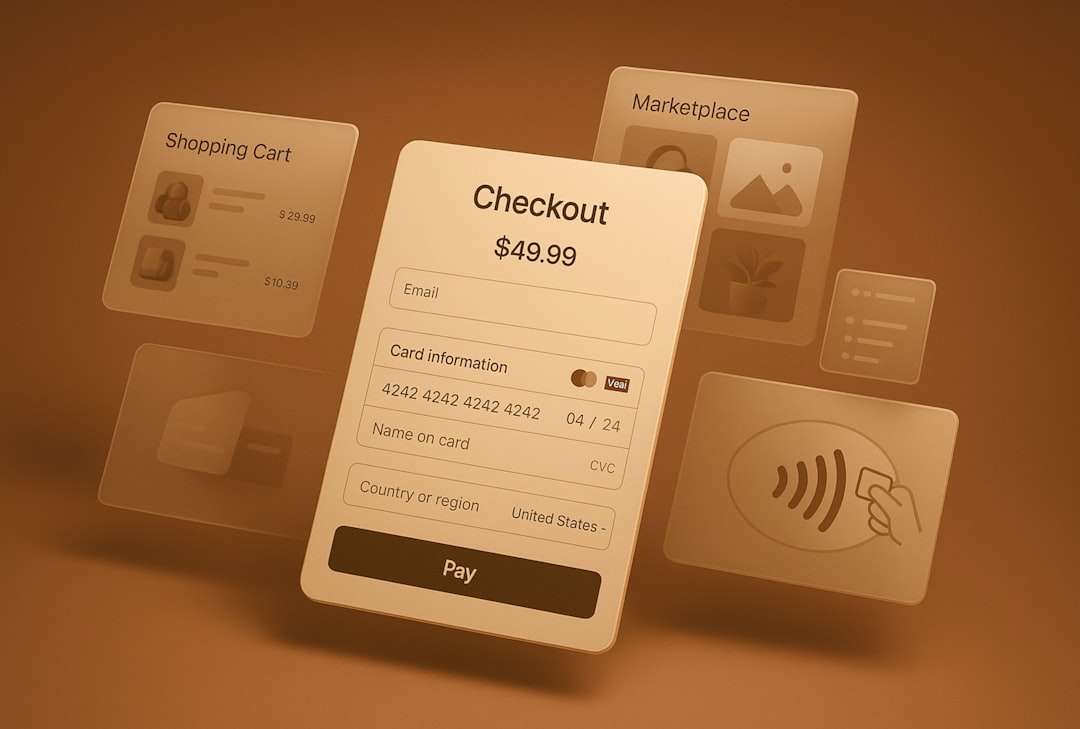
Stripe is not just a simple transfer app—it’s a payment processing powerhouse. If you run your own website or SaaS product, Stripe enables seamless credit card payments and recurring billing.
Key advantages:
- Powerful APIs for customization
- Recurring billing options
- International card support
- Detailed financial reporting
Things to watch for:
- Requires some technical setup
- Standard processing fees apply per transaction
Stripe is ideal for freelancers operating more like micro-agencies or digital entrepreneurs. It integrates with platforms like Shopify, WordPress, and Webflow, making it a versatile tool for expanding revenue streams.
6. Skrill
Best for: Fast international transfers and e-wallet flexibility
Skrill offers international money transfers and serves as a digital wallet solution. While not as commonly used as PayPal, it supports quick global payments and competitive exchange rates in certain corridors.
Key advantages:
- Fast international transfers
- Prepaid card options
- Widely used in specific industries
Things to watch for:
- Fees vary depending on transfer method
- Less brand recognition in some regions
For freelancers who prioritize speed and wallet-to-wallet transfers, Skrill can be a practical addition to their payment toolkit.
Quick Comparison Chart
| App | Best For | International Fees | Multi-Currency Support | Debit Card |
|---|---|---|---|---|
| PayPal | Global client familiarity | Higher, with markup | Yes | Yes |
| Wise | Low-cost FX transfers | Low, transparent | Yes | Yes |
| Payoneer | Marketplace freelancers | Moderate | Yes | Yes |
| Revolut | Digital nomads | Competitive (plan-based) | Yes | Yes |
| Stripe | Online businesses | Per-transaction fee | Yes | No (directly) |
| Skrill | Fast wallet transfers | Variable | Yes | Yes |
How to Choose the Right App
Not every freelancer has the same needs. Before choosing a payment app, consider these critical factors:
- Client location: Where are most of your clients based?
- Currency needs: Do you need to hold multiple currencies?
- Fee sensitivity: Are you working with tight profit margins?
- Cash flow timing: How quickly do you need access to funds?
- Professional setup: Are you invoicing manually or selling through a website?
Many experienced freelancers actually combine two or more apps. For example, they might use Stripe for website payments, Wise for international clients, and PayPal as a backup option.
Final Thoughts
The rise of remote work has made cross-border payments the norm rather than the exception. Fortunately, today’s money transfer apps offer more transparency, faster transfers, and better exchange rates than traditional banking systems.
The smartest strategy is not just choosing the most popular app—but selecting the one that aligns with your workflow, client base, and financial goals. By understanding fee structures, exchange rates, and payout timelines, you can protect your income and keep more of what you earn.
In the end, the best money transfer app is the one that makes getting paid effortless—so you can focus on what truly matters: doing exceptional work from anywhere in the world.