


Customer churn is expensive—but negative churn, where expansion revenue outpaces lost revenue, is the real growth engine of modern subscription businesses. With the rise of predictive analytics, companies can now anticipate customer behavior, identify upsell opportunities, and intervene before churn even begins. The difference between reactive retention and predictive growth often comes down to tools: the right platforms can turn raw data into strategic foresight.
TL;DR: Reducing churn and creating negative churn requires predictive insight, not guesswork. The right tools combine customer data, machine learning, behavioral analytics, and automation to identify at-risk accounts and uncover expansion opportunities. This article explores six must-have tools that help businesses anticipate churn, personalize engagement, and unlock revenue growth. A comparison chart is included to help you choose the right solution for your needs.
Below, we explore six essential tools that empower companies to shift from firefighting churn to proactively engineering long-term retention and expansion.
1. Customer Data Platforms (CDPs)
A Customer Data Platform (CDP) is the foundation of effective predictive analytics. Without unified data, predictive modeling is guesswork.
CDPs aggregate information from multiple sources—CRM systems, product analytics, billing software, support tickets, marketing platforms—and build unified customer profiles. These profiles make it possible to analyze behavior across the entire lifecycle.
Why it reduces churn:
- Identifies behavioral patterns associated with churn
- Segments users by engagement level
- Tracks feature adoption and product usage
- Reveals cross-channel customer journeys
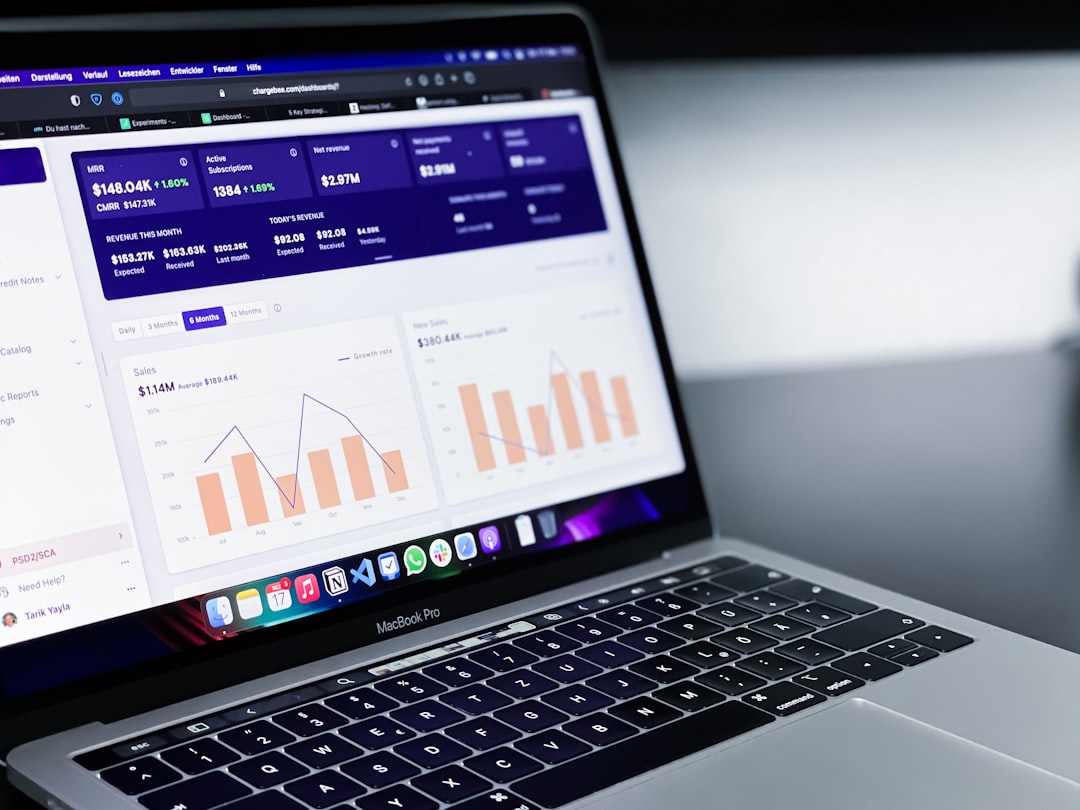
By feeding clean, structured data into predictive models, CDPs ensure your analytics tools generate insights that are accurate and actionable.
2. Predictive Analytics & Machine Learning Platforms
This is where the magic happens. Predictive analytics platforms use machine learning algorithms to forecast customer behavior based on historical patterns.
Instead of asking, “Why did this customer churn?” predictive tools ask, “Who is likely to churn next—and why?”
These platforms analyze variables such as:
- Login frequency and behavioral drop-offs
- Engagement with key features
- Support interaction patterns
- Subscription changes or downgrade signals
- Payment irregularities
Advanced systems assign each customer a churn probability score. This allows customer success teams to prioritize outreach based on risk severity.
Even more powerful, these platforms can predict:
- Upsell likelihood
- Cross-sell potential
- Renewal probability
- Customer lifetime value (CLV)
Predictive platforms transform churn reduction from a reactive scramble into a strategic, measurable process.
3. Product Analytics Tools
You cannot reduce churn without understanding how customers experience your product. Product analytics tools give you granular visibility into user behavior inside your application.
These tools answer questions like:
- Which features correlate with high retention?
- Where do users drop off?
- What behaviors indicate long-term loyalty?
- Which onboarding flows produce activation?

By identifying leading indicators of churn—such as a decline in feature usage—companies can trigger proactive interventions before dissatisfaction becomes cancellation.
Pro tip: Integrate product analytics with predictive models. Behavioral signals are often the earliest and strongest churn indicators.
4. Customer Success Platforms
While predictive analytics identifies risk, customer success platforms operationalize the response.
These tools aggregate health scores, automate outreach, and provide playbooks for customer success teams.
Core capabilities typically include:
- Automated health scoring
- Renewal tracking
- Task management for outreach
- Expansion opportunity alerts
- Usage trend visualization
When integrated with predictive tools, customer success platforms allow teams to:
- Automate outreach to at-risk accounts
- Schedule check-ins before renewal deadlines
- Trigger in-app education campaigns
- Prioritize high-value accounts
In short, they turn predictive insight into measurable revenue outcomes.
5. Marketing Automation Platforms
Predictive churn reduction doesn’t just belong to the customer success team. Marketing automation tools play a vital role in engagement and expansion.
With predictive insights, marketing teams can:
- Launch re-engagement campaigns to inactive users
- Create upsell campaigns based on usage thresholds
- Personalize content according to churn risk segments
- Deliver behavior-triggered educational sequences

For example, if predictive modeling shows that users who adopt Feature A and Feature B within 30 days have 80% retention, marketing automation can drive under-engaged users toward those features.
Personalization at scale is one of the most effective ways to create negative churn.
6. Revenue Analytics & Subscription Management Tools
Finally, reducing churn requires visibility into revenue metrics themselves. Revenue analytics and subscription management tools help you track:
- Monthly recurring revenue (MRR)
- Net revenue retention (NRR)
- Expansion revenue
- Downgrades and contraction trends
- Cohort performance over time
Negative churn occurs when expansion revenue exceeds lost revenue. Without revenue-level insights, you may reduce churn operationally—but miss opportunities for expansion.
Advanced tools analyze subscription behaviors and flag:
- Accounts likely to downgrade
- Accounts exceeding plan limits (upsell trigger)
- High-growth customers ripe for enterprise upgrades
This closes the loop between analytics, retention, and revenue growth.
Comparison Chart: 6 Tools for Reducing Negative Churn
| Tool Type | Primary Purpose | Key Benefit | Best For |
|---|---|---|---|
| Customer Data Platform | Unifies customer data | Creates a 360-degree customer view | Companies with fragmented data systems |
| Predictive Analytics Platform | Forecasts churn and expansion | Early identification of at-risk accounts | Data-driven SaaS businesses |
| Product Analytics | Tracks in-product behavior | Identifies churn indicators in usage patterns | Product-led growth companies |
| Customer Success Platform | Manages retention workflows | Operationalizes churn prevention | CS-focused subscription businesses |
| Marketing Automation | Delivers personalized engagement | Drives feature adoption and upsells | Growth and lifecycle marketing teams |
| Revenue Analytics Tool | Monitors subscription metrics | Tracks net negative churn performance | Finance and executive teams |
How These Tools Work Together
No single tool reduces churn alone. The power lies in integration.
A mature churn-reduction stack might look like this:
- The CDP aggregates behavioral, financial, and engagement data.
- The predictive platform generates churn probability scores.
- Product analytics identifies behavioral triggers.
- The customer success platform initiates proactive outreach.
- Marketing automation reinforces engagement with targeted campaigns.
- Revenue analytics measures net impact and expansion growth.
When fully integrated, this ecosystem enables:
- Proactive retention instead of reactive recovery
- Prioritized resource allocation
- Continuous feedback loops
- Scalable personalization
- Sustainable negative churn
Final Thoughts: Turning Prediction into Profit
Reducing churn through predictive analytics is not just about preventing losses—it’s about identifying growth before it happens.
The companies that achieve consistent negative churn share three traits:
- They unify customer data.
- They invest in predictive modeling.
- They operationalize insights across teams.
As competition intensifies and acquisition costs rise, retention and expansion are no longer optional—they are the primary growth strategies.
With the right six tools in place, predictive analytics becomes more than dashboards and probabilities. It becomes a revenue-generating engine—one that transforms raw customer behavior into actionable insight, sustainable loyalty, and measurable growth.
Negative churn isn’t luck. It’s engineered—with data, intelligence, and the right technology stack.