


With a growing focus on comfort and sustainability in interior design, alternative seating options have moved from the fringes of fashion to center stage. Among these is the charming and increasingly popular tumbon — a cozy, comfy cushion that melds form, function, and a rich history in a delightfully simple package.
TLDR
The tumbon is a traditional and highly adaptable seating cushion with roots in Thai culture. Originally used in meditation and communal settings, it has evolved into a stylish and functional furnishing seen in homes around the world. Lightweight, versatile, and eco-friendly, tumbons embody the modern blend of cultural heritage and contemporary interior design. Their design continues to inspire innovation in portable, low-seating solutions today.
What Exactly Is a Tumbon?
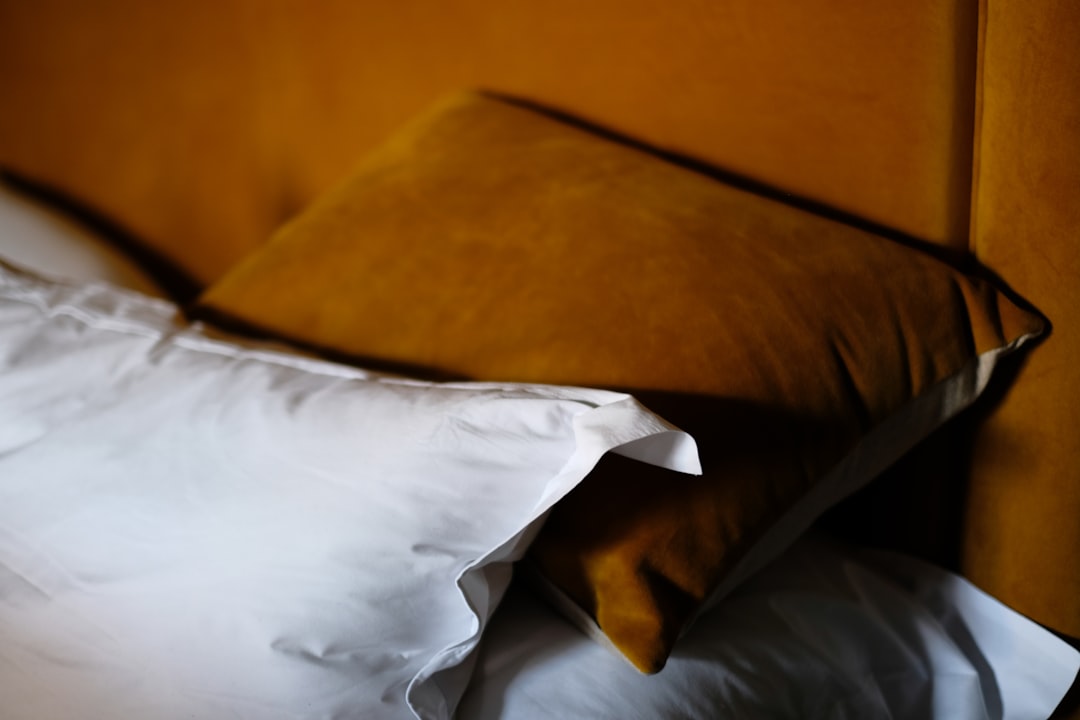
A tumbon, sometimes referred to as a “floor cushion” or Asian cushion, is a thick, fabric-covered pad typically made with layers of cotton, kapok, or similar natural fibers. Though varying in size and shape, most tumbons have a rectangular or square design, often with piping around the edges and decorative patterns that reflect regional craftsmanship.
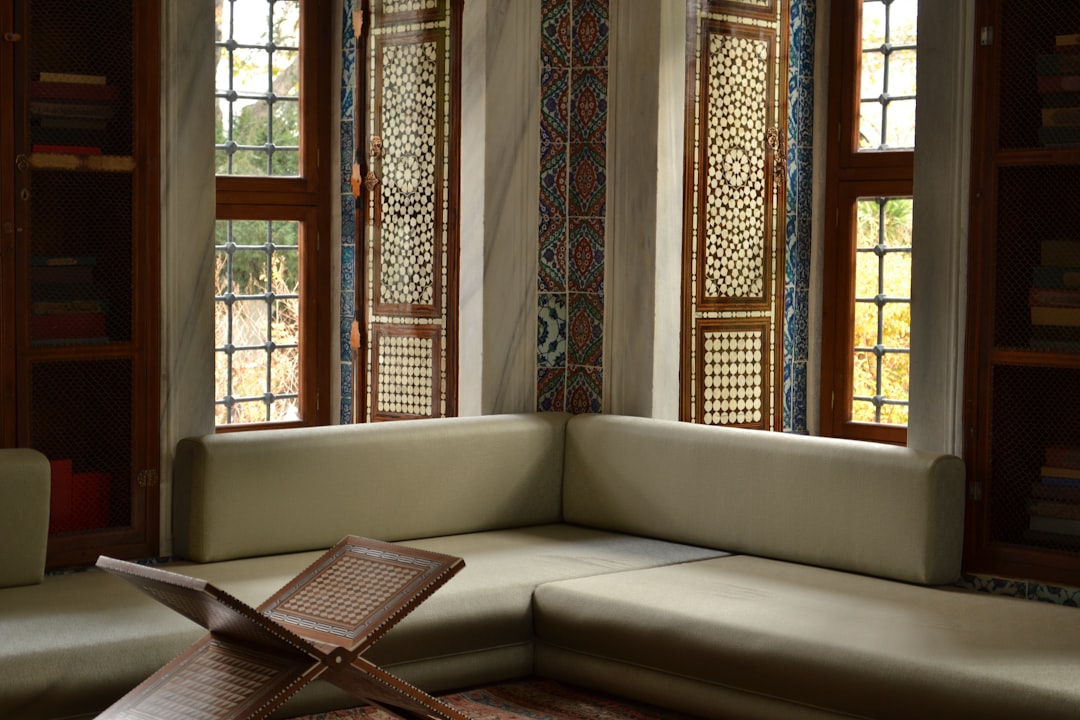
Used primarily for sitting or reclining, tumbons offer an inviting and informal alternative to chairs. They encourage flexibility in posture and arrangement, making them an ideal choice for relaxed living spaces, meditation rooms, or even outdoor lounging areas.
A Journey Through Time: The Origins of the Tumbon
The word “tumbon” is derived from Thai culture, and the object itself is believed to trace back to ancient Southeast Asian traditions where floor-seating was the norm. Historically, Tumbons were not just about comfort — they were often imbued with symbolic and ritualistic meaning. In temples, monks used them as part of their meditation practice, appreciating the cushion’s firm yet forgiving support.
Over time, these humble pads transitioned from monastic quarters into common households. Their convenience, portability, and simple design made them ideal in various settings, especially in societies where sitting on raised furniture was less common.
The Evolution of the Tumbon in Modern Design
As global interest in minimalist and multifunctional furnishings rose in the 20th and 21st centuries, the tumbon found a new niche. Designers across the globe began to adapt its traditional design to modern settings. Western markets especially embraced the tumbon-inspired versions, often marketing them as yoga cushions or bohemian floor pillows.
These newer products incorporated a variety of textiles, from organic cotton and hemp to synthetic weatherproof fabrics. Additionally, they began to align with contemporary aesthetics — from muted earth tones perfect for Scandinavian interiors to vibrant batik prints popular in eclectic and global-inspired spaces.
Today, tumbons are found in cafes, co-working spaces, home lounges, and even outdoor patios, signifying their journey from meditative cornerstones to versatile lifestyle accessories.
Why People Love Tumbons Today
The growing popularity of tumbons in today’s world isn’t just a fad. These unique cushions tap into the deeper desires of modern living: comfort, simplicity, and sensory connection.
Here are a few reasons why people can’t get enough of tumbons:
- Ergonomic Support: Especially when filled with dense natural fibers like kapok, tumbons offer effective support for prolonged sitting.
- Portability: Light and compact, they are easy to move around or store away when not in use.
- Aesthetic Appeal: Their handcrafted designs and earthy textures bring warmth and authenticity to any room.
- Mindful Living: Many incorporate tumbons into meditation practices or mindful routines, appreciating their cultural connection to inner peace.
- Sustainability: Often made with local and biodegradable materials, they represent conscious, eco-friendly living.
Different Styles and Variants
Though the essence of the tumbon remains the same, its variations are plenty. Depending on cultural context, usage, and materials, you’ll come across numerous adaptations:
- Triangle Backrest Tumbon: A popular style in Thai markets, it features a triangular bolster attached to a rectangular base. Ideal for reclining while reading or lounging.
- Roll-up Tumbons: Designed to be foldable and easily transportable, these are favored by traveling meditators or yoga practitioners.
- Modular Tumbons: These modern interpretations allow users to join multiple units together via ties or velcro for customized layouts.
The Craft Behind the Cushion
One of the most enchanting things about tumbons is the care put into their construction. In regions like Northern Thailand and Laos, crafting a tumbon is not only an artisanal effort but also a preserved tradition passed down through generations.
Artisans begin by sourcing filling materials — traditionally kapok, a soft natural fiber derived from the seed pods of the kapok tree. The outer fabric, often woven by hand, is selected for durability and visual appeal. Stitching, tufting, and finishing are done meticulously to enhance both function and aesthetic longevity.
These time-consuming methods result in a product that is not only beautiful but also long-lasting, making tumbons an embodiment of sustainable craftsmanship.
Incorporating Tumbons Into Your Space
If you’re looking to embrace this timeless seating option, integrating a tumbon into your living space can be both practical and stylish. Here are a few ideas:
- Reading Nook: Pair a couple of tumbons with ambient lighting and bookshelves for a cozy, grounded getaway.
- Meditation Corner: Create a quiet sanctuary in your home with a single tumbon paired with calming decor, like incense and plants.
- Entertaining Guests: Use several tumbons around a low table for an intimate dinner or tea ceremony.
- Outdoor Chill Spot: Weatherproof versions are perfect for patios or balconies.
Whether layered with throw blankets or placed directly on floor mats, tumbons adapt effortlessly to any design context.
Final Thoughts: A Cushion With a Story
The tumbon stands as a beautiful example of how cultural heritage can inspire modern lifestyles without losing its soul. Its evolution from a monastic floor pillow to a contemporary interior staple reflects how art, utility, and comfort can coexist harmoniously.
As we continue to search for balance — in our homes, work, and personal well-being — the humble tumbon remains a symbol of peaceful living and mindful design. From Southeast Asian temples to your living room, this cozy seating option is more than a trend; it’s a quiet revolution in how we sit, relax, and experience comfort.