


In an age where revenue charts, quarterly profits, and market domination often dictate the measure of success, one silent but powerful catalyst is quietly reshaping how companies grow and thrive: trust. While traditional business strategies focus on scaling, acquisition, and performance metrics, trust is now emerging as a core pillar—transforming customer relationships, company culture, and public perception. In today’s hyper-connected, scrutiny-heavy marketplace, trust is not only redefining business success—it’s becoming the standard by which it’s sustained.
TL;DR
As businesses obsess over rapid growth and market expansion, trust is emerging as a defining metric for long-term success. From consumer expectations to employee satisfaction, trust drives loyalty, resilience, and innovation. Companies that prioritize transparency, ethical leadership, and authentic engagement are experiencing deeper and more sustainable growth. Trust is no longer a “nice-to-have” — it’s a strategic imperative.
1. Customer Loyalty Is Built on Trust, Not Just Convenience
For years, speed, price, and convenience have dominated customer acquisition strategies. But in a marketplace overflowing with options, consumers are choosing to stay loyal to brands that embody transparency, integrity, and authenticity. This is particularly true of Gen Z and Millennials, who, according to a 2023 Edelman Trust Barometer, are more likely to support brands that take a stand on social, environmental, or ethical issues.
Key Insights:
- Authenticity over advertising: Modern consumers are skeptical of polished ads. Instead, they gravitate toward brands that are real, relatable, and consistent in their values.
- Transparency wins: Brands like Patagonia and Everlane are open about their supply chains, labor practices, and sustainability efforts—and reap customer loyalty because of it.
- Trust equals retention: According to PwC, 32% of consumers say they would walk away from a brand they loved after just one bad experience. Trust cushions against this volatility.
With social media amplifying every corporate misstep and consumer activism on the rise, brands now need trust as their first line of defense. It’s not just about getting customers—it’s about keeping them.
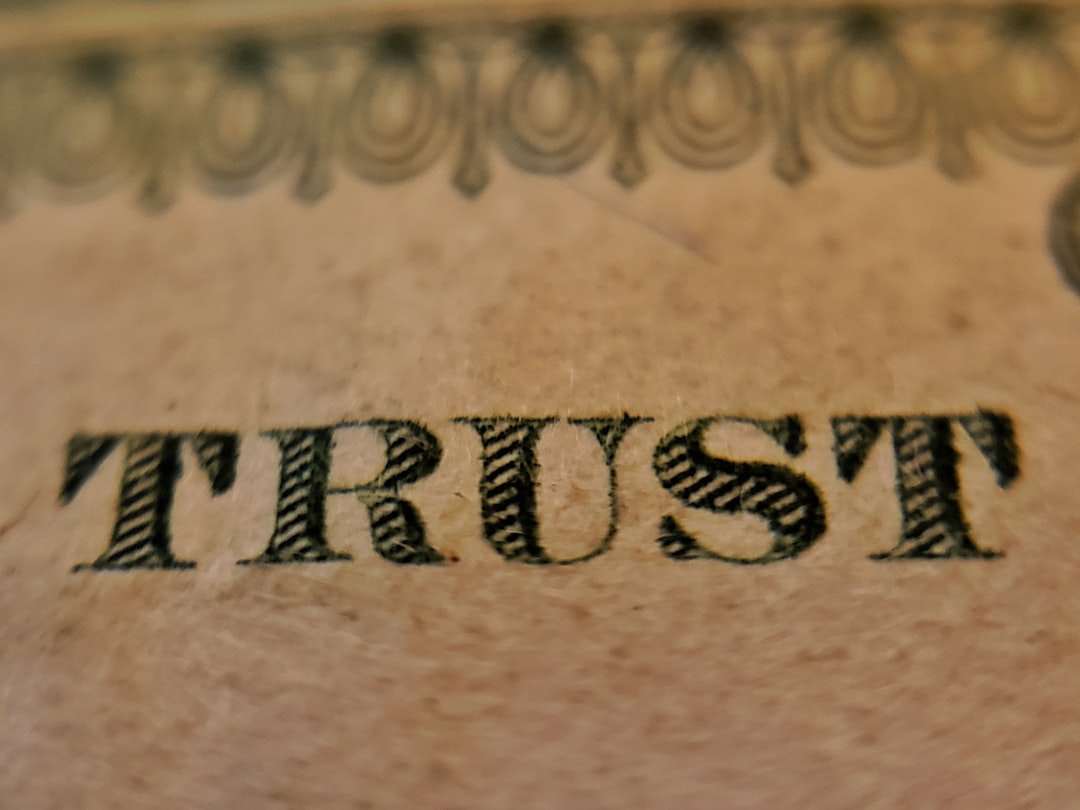
2. In the Workplace, Trust Drives Innovation and Productivity
Trust doesn’t just impact external relationships—it’s equally vital inside the organization. High-performing companies are increasingly recognizing that when employees feel trusted, heard, and valued, they’re more engaged, creative, and committed to contributing their best work.
According to a 2022 Gallup study, workplaces where trust is established see 50% higher productivity and 76% more employee engagement. Trust fosters psychological safety, encouraging employees to take risks, share bold ideas, and challenge the status quo—hallmarks of an innovative culture.
Three Ways Trust Translates to Performance:
- Empowered decision-making: Employees at all levels feel more confident making decisions when they know leadership trusts their judgment, which accelerates responsiveness and innovation.
- Reduced turnover: A culture of trust reduces toxicity, burnout, and disengagement—key contributors to the “quiet quitting” phenomenon.
- Purpose-driven performance: Trustworthy leadership helps align personal and company goals, giving employees a deeper sense of meaning in their work.
Companies like Netflix and Atlassian have built reputations for cultivating high-trust cultures facilitated by autonomy, transparency, and empowerment. These companies consistently land on “Best Places to Work” lists—not by paying the highest salaries, but by building environments where trust fuels creative freedom.

3. Investor and Partner Confidence Depends on Trust-First Leadership
In today’s volatile economic environment, stakeholders are scrutinizing company promises more than ever. Investors, regulators, partners—even algorithms—are measuring companies not only by their financial numbers but by how openly and ethically they conduct business.
Trust has become an economic asset. In fact, companies with strong reputations for ethical leadership and corporate governance often enjoy better access to capital, higher valuations, and more favorable press coverage. Consider how quickly stock valuations tumble when trust is broken—remember the downfall of Theranos or the backlash against Facebook’s handling of user data?
Trust-focused leadership includes:
- Transparency in reporting: Clear, honest communication with stakeholders—even when the news is bad—builds long-term credibility.
- Consistency in values: Leaders who model ethical behavior and hold their teams accountable earn both public and investor trust.
- Proactive risk management: Companies that use trust as a lens for risk decisions are less likely to face reputational crises.
Today’s top-performing businesses are redefining leadership beyond charisma and P&L management. They’re embracing accountability, social responsibility, and transparency as essential tools for long-term influence and sustainable growth.
Beyond Metrics: Trust as a Growth Multiplier
While charts and KPIs will always have their place, the most successful businesses today understand that growth built on instability is a shallow victory. Trust, when nurtured, becomes a silent force-multiplier across every dimension of business—driving deeper customer loyalty, resilient workplace culture, and enduring brand equity.
In a world constantly asking “What’s next?” trust is the compass pointing to what really matters. As the great investor Warren Buffett once said, “It takes 20 years to build a reputation and five minutes to ruin it.” Companies that internalize this will not only grow—they’ll thrive with purpose and resilience.
Final Thoughts: Putting Trust into Action
If businesses want to stand out—not just scale up—they must embed trust into their DNA. That means:
- Listening before launching product decisions or campaigns that affect key stakeholders.
- Leading by example through transparent, values-driven decisions.
- Staying authentic—because in the digital age, anything less will be exposed.
Growth may be the goal, but trust is the ground it stands on. Businesses who understand this aren’t just adapting to the times—they’re shaping the future.