

When we think about construction and the environment, our minds often go straight to buildings and machines. But beneath all that is the earth itself – the soil, the dust, and the water. Managing these elements is key to keeping the environment safe and construction projects successful. That’s where Earth Control Measures, or ECMs, come into play.
TL;DR:
Earth Control Measures are tools and techniques used in construction to manage soil, water, and pollution. They help prevent erosion, protect nature, and make construction sites safer. Without ECM, we risk damaging the land and nearby water sources. These measures are a big part of building safe and eco-friendly structures.
What Are Earth Control Measures?
Earth Control Measures are methods used to stop soil from being washed or blown away during construction. They also help keep dust under control and make sure dirty water doesn’t enter rivers and drains. ECMs are not one thing – they are a group of different actions and tools used together.
These measures are super important because construction can easily disturb the ground. Digging, drilling, and moving heavy stuff around makes the soil loose. When it rains, this loose soil can create muddy water that flows into drains, rivers, and lakes. Dirty water can hurt fish and other animals. It can even clog drains and cause flooding.
So, Earth Control Measures are like guardians. They stop soil from moving around too much and protect our natural surroundings.
Why Should We Care?
Alright, let’s make this fun! Want to know why ECMs matter? Here are some simple reasons:
- They save nature – ECMs keep rivers and forests clean and healthy.
- They protect workers – Less mud and dust means safer construction sites.
- They stop flooding – Clean and clear drains mean rainwater can flow freely.
- They avoid fines – Many governments require ECMs by law. No ECM, no project approval!
Types of Earth Control Measures
Here’s where it gets interesting. There are many types of ECMs. Let’s break them down into two main groups: temporary measures and permanent measures.
Temporary Measures
These are used during the construction process. They’re there to help while the land is disturbed and busy.
- Silt fences – These are barriers that catch muddy water and let clean water pass through.
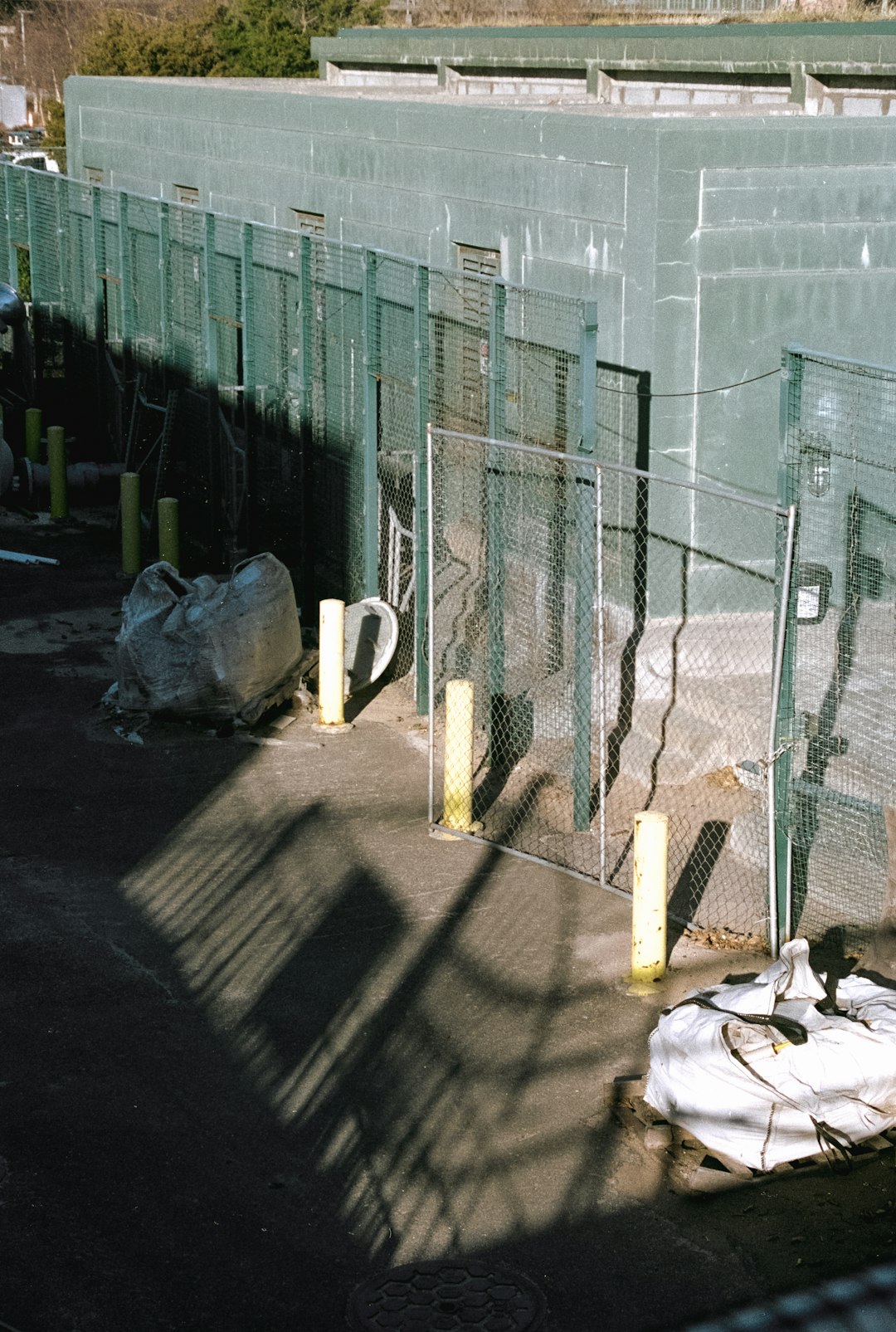
- Sandbags – They prevent soil from flowing during heavy rain.
- Soil blankets or mats – These protect soil from wind and rain erosion.
- Dust control methods – Like spraying water on dusty roads or using sticky chemicals to keep the dust down.
Permanent Measures
Once construction is finished, these measures help keep things stable for years to come.
- Grass planting – Roots hold the soil and reduce erosion.
- Slopes and terraces – These change the shape of the land to slow water down.
- Drainage systems – Good drains keep water from washing soil away.
Simple Rules for Effective Earth Control
Doing ECM the right way means thinking ahead and staying committed. Here are some golden rules:
- Plan early – ECMs should be part of the design stage, not an afterthought.
- Use the right tools – Choose ECMs that match your site and weather conditions.
- Inspect often – Check ECMs after heavy rain or when construction work changes.
- Train the team – Everyone on-site should know how to use ECMs properly.
What Happens Without ECM?
Let’s say a project skips Earth Control Measures. What could go wrong?
- Rivers turn brown – Soil and mud flow into streams, hurting fish and plants.
- Dust gets everywhere – Not good for your lungs, your car, or nearby homes.
- Slippery and dangerous sites – Workers can fall or get stuck in muddy areas.
- Bad reputation – The community may protest, and regulators may shut you down.
So, ECMs are not just about being nice to the planet. They also keep your project running smoothly.
Who Uses Earth Control Measures?
You might think Earth Control Measures are only for builders and engineers. But actually, lots of people use them! Here are a few examples:
- Construction Companies – They use them on every large project.
- Government Projects – Roads, flyovers, and schools all need soil control.
- Landscapers and Gardeners – Even small backyard makeovers can include ECMs.
- Farmers – They use soil beds, drainage, and grass planting to protect farmland.
Environmental Benefits of ECM
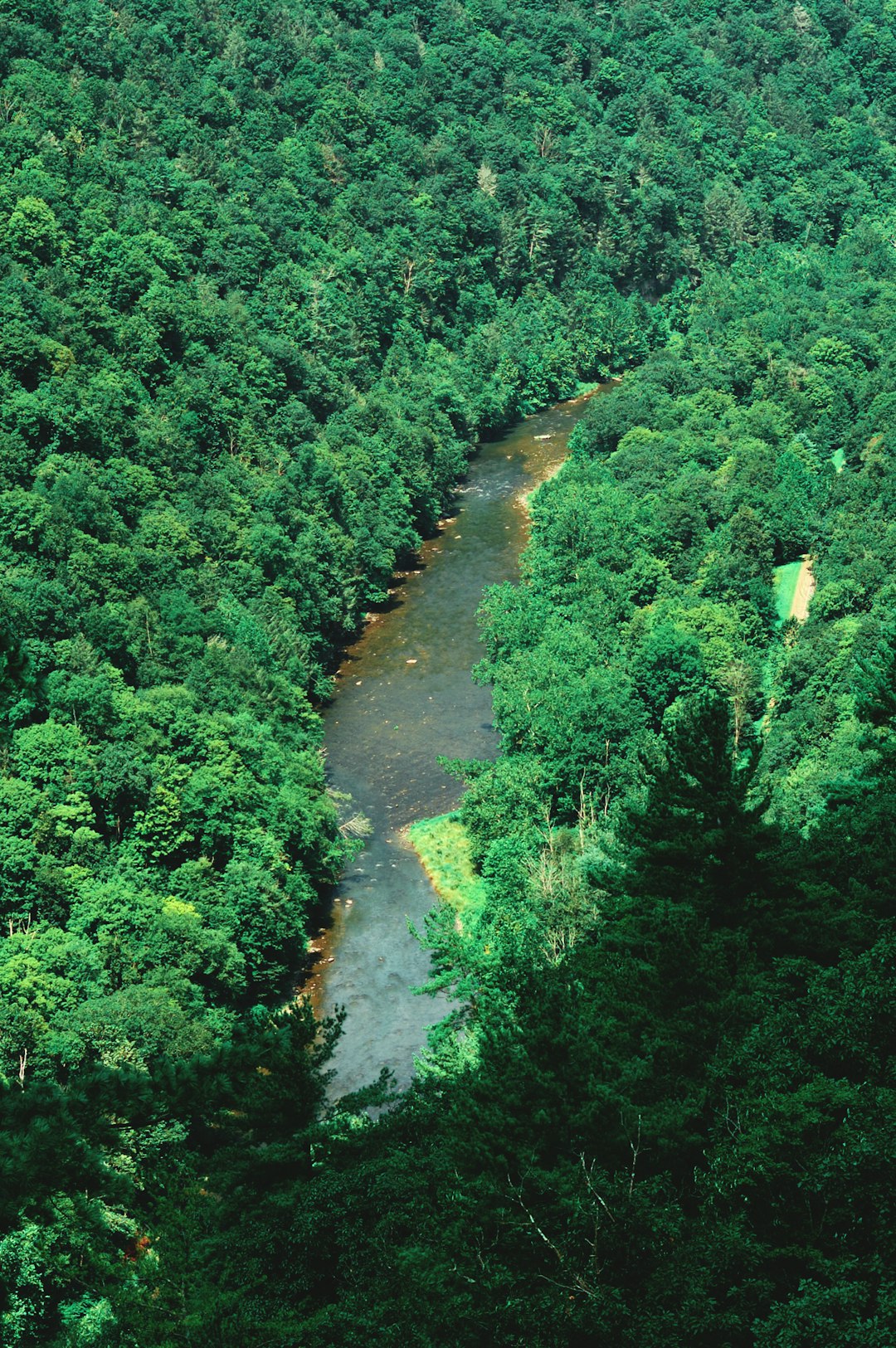
This part is all about the planet. When we protect the earth during construction, we protect entire ecosystems. Tiny insects, birds, and fish rely on clean environments. ECMs help by:
- Reducing pollution in water
- Cutting down airborne dust and particles
- Keeping the landscape natural and beautiful
- Supporting sustainable construction
Construction Safety and ECM
Aside from nature, ECMs are also important for worker safety. With proper earth controls:
- Workspaces are less slippery
- Sight is clearer without dust clouds
- Machines operate better on dry and solid soil
No one wants delays or accidents. ECMs play a quiet but massive role in preventing both.
Cool Real-World Example
Here’s a fun story! In Singapore, all large construction sites must follow Earth Control Measures by law. They even need an ECM Plan approved before the project begins. These plans show where water might carry soil away and how the team plans to stop it. Thanks to this, Singapore has kept many of its rivers clean, even while building tons of roads and buildings.
Key Takeaways
We’ve covered a lot! So here are the final thoughts in a quick list:
- Earth Control Measures are about managing soil, dust, and water.
- They protect both the environment and construction workers.
- They include tools like silt fences, sandbags, and drainage systems.
- You should plan for ECMs early and check them often.
- They make your construction site smarter, safer, and greener!
Final Thought
Earth Control Measures may not be flashy, but they are heroes. They quietly keep the damage down, protect neighbors and nature, and help builders avoid giant problems. Whether you’re building a skyscraper or planting a garden, ECMs matter.