

Customers today expect instant responses, personalized communication, and seamless service—regardless of time zone. For businesses that rely on WhatsApp as a primary communication channel, meeting these expectations manually is nearly impossible. This is where AI-powered WhatsApp chatbot tools are transforming customer engagement, enabling companies to offer 24/7 support while improving efficiency and reducing operational costs.
TLDR: AI-powered WhatsApp chatbot tools enable businesses to deliver round-the-clock customer support, automate repetitive queries, and personalize communication at scale. Leading platforms such as Twilio, WATI, Gupshup, Interakt, Yellow.ai, and Zoko provide advanced automation, CRM integration, and analytics features. Choosing the right tool depends on business size, integration needs, and budget. Implemented correctly, these chatbots significantly improve customer satisfaction and response times.
The Importance of 24/7 AI-Driven WhatsApp Engagement
WhatsApp has become one of the most widely used messaging platforms globally, with billions of active users. For businesses, it represents a direct and trusted channel to communicate with customers. However, maintaining continuous availability through human agents alone can be costly and inefficient.
AI-powered chatbots allow companies to:
- Respond instantly to frequently asked questions
- Automate booking and order tracking processes
- Qualify leads and route conversations
- Reduce workload for human support teams
- Provide multilingual communication
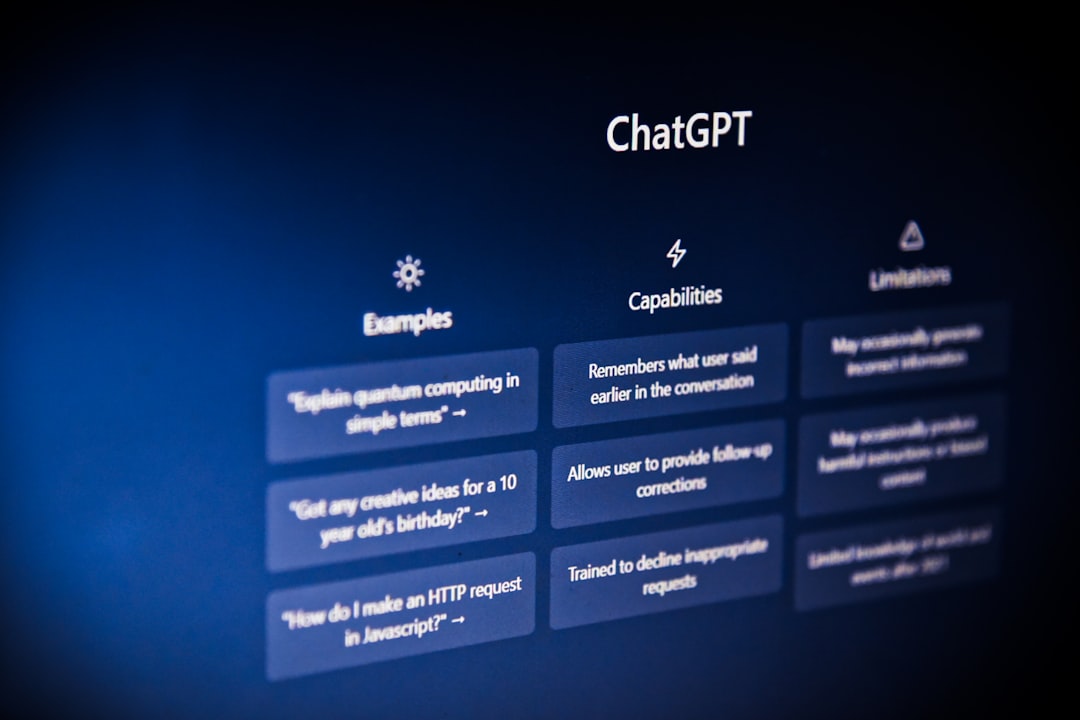
Modern AI chatbots use Natural Language Processing (NLP) and machine learning to understand context and intent. This allows them to handle more complex customer inquiries rather than relying solely on predefined scripts.
1. Twilio WhatsApp API
Best for: Custom enterprise-grade solutions
Twilio provides a robust API infrastructure that enables businesses to build highly customizable WhatsApp chatbot solutions. It is particularly suitable for organizations with development resources that want full control over automation workflows.
Key Features:
- Highly customizable API
- Integration with CRM and ERP systems
- Advanced analytics and reporting
- Scalable cloud infrastructure
Twilio stands out because it offers flexibility rather than a rigid chatbot builder. However, it typically requires developer involvement, making it more suitable for mid-size to enterprise companies.
2. WATI (WhatsApp Team Inbox)
Best for: Small to medium-sized businesses
WATI is built specifically around WhatsApp Business API, providing a user-friendly interface for automation and team collaboration.
Key Features:
- No-code chatbot builder
- Broadcast messaging capabilities
- Shared team inbox
- CRM integrations
WATI allows non-technical teams to deploy automated responses quickly while maintaining a professional communication structure. Its intuitive dashboard makes adoption relatively seamless.
3. Gupshup
Best for: Large-scale customer engagement
Gupshup is a conversational messaging platform that supports WhatsApp chatbot development along with other channels. It is known for its scalability and AI capabilities.
Key Features:
- AI-driven conversational flows
- Omnichannel messaging support
- Rich media messaging
- High message throughput capacity
Gupshup’s ability to manage high volumes of messages makes it suitable for industries like banking, e-commerce, and telecom that handle large-scale customer queries daily.
4. Interakt
Best for: E-commerce businesses
Interakt is designed specifically with online sellers in mind. It integrates seamlessly with platforms like Shopify and enables automated order updates, abandoned cart reminders, and customer support responses.
Key Features:
- E-commerce integrations
- Automated order notifications
- Lead nurturing automation
- Workflow automation templates
Interakt’s strength lies in its focus: it is purpose-built for online businesses that depend heavily on WhatsApp for customer interaction and sales conversions.
5. Yellow.ai
Best for: AI-driven conversational experiences
Yellow.ai provides advanced AI capabilities powered by deep learning and NLP. It enables dynamic conversations that adapt to user responses.
Key Features:
- Multilingual AI chatbot
- Voice and text automation
- Sentiment analysis
- Enterprise-level integrations
This platform is suitable for companies looking for a more sophisticated AI agent rather than a simple rule-based chatbot.
6. Zoko
Best for: Sales-focused WhatsApp automation
Zoko is tailored toward sales and marketing teams that use WhatsApp as a primary revenue channel.
Key Features:
- Sales pipeline management
- Automation for follow-ups
- Payment integrations
- Broadcast campaigns
For businesses heavily focused on conversion optimization and campaign management, Zoko offers targeted features that drive measurable outcomes.
Comparison Chart of Top AI WhatsApp Chatbot Tools
| Tool | Best For | Ease of Use | Customization | Scalability | Ideal Business Size |
|---|---|---|---|---|---|
| Twilio | Custom solutions | Moderate to complex | Very high | Excellent | Medium to Enterprise |
| WATI | SMBs | Very user-friendly | Moderate | High | Small to Medium |
| Gupshup | High-volume messaging | Moderate | High | Excellent | Medium to Enterprise |
| Interakt | E-commerce | Very user-friendly | Moderate | High | Small to Medium |
| Yellow.ai | Advanced AI automation | Moderate | Very high | Excellent | Enterprise |
| Zoko | Sales automation | User-friendly | Moderate | High | Small to Medium |
Key Criteria for Choosing the Right Tool
Before implementing a WhatsApp chatbot solution, organizations should conduct a structured evaluation. Important factors include:
- Integration Requirements: Is CRM, payment gateway, or ERP integration necessary?
- Scalability: Can the platform grow with increasing customer volume?
- AI Sophistication: Does the tool offer NLP and contextual understanding?
- Compliance: Does it meet data security and GDPR requirements?
- Total Cost of Ownership: Consider subscription, API, and development costs.
Business Impact of AI WhatsApp Chatbots
When implemented strategically, AI-powered WhatsApp chatbots offer measurable business benefits:
- Reduced response time: Instant answers improve customer satisfaction.
- Operational efficiency: Automation lowers staffing requirements.
- Higher conversion rates: Immediate engagement increases lead capture.
- 24/7 availability: Clients receive assistance beyond business hours.
Moreover, combining automation with human oversight creates a hybrid support model—ensuring efficiency without sacrificing empathy or problem resolution in complex situations.
Conclusion
AI-powered WhatsApp chatbot tools have evolved from simple scripted responders to intelligent virtual assistants capable of handling sophisticated customer interactions. Platforms such as Twilio, WATI, Gupshup, Interakt, Yellow.ai, and Zoko offer diverse capabilities tailored to different business needs.
Organizations that adopt the right solution can strengthen customer relationships, streamline operations, and maintain a competitive edge in an increasingly digital marketplace. The key lies in aligning the tool’s technical strengths with strategic objectives—ensuring that automation enhances, rather than replaces, meaningful customer engagement.