

Architects are visionaries, and every detail—no matter how small—plays a pivotal role in defining their brand. For those who cater to high-end clientele, their business card isn’t merely contact information—it’s often the first tactile interaction a client may have with their design aesthetic and professionalism. Choosing the right business card maker can significantly influence first impressions, helping convince potential clients that the architect’s attention to detail extends beyond drawings and blueprints.
TL;DR
For architects targeting high-end clients, business cards should reflect craftsmanship, elegance, and design insight. Premium business card makers offer options like letterpress, foil stamping, and luxury materials that appeal to discerning tastes. Emphasizing minimalistic yet impactful design, architects can create a lasting impression that mirrors their architectural vision. Choosing the right service requires considering customization, quality, material, and the ability to express uniqueness.
Why Business Cards Still Matter in Luxury Architecture
Despite living in a digital age, physical business cards remain a significant tool in luxury industries. For architects serving affluent individuals, every point of contact becomes part of the brand narrative. A business card functions not only as a method of exchanging information but also as a symbolic representation of design values and professional ethos.
- Tangible proof of style and detail: Clients often judge an architect’s sensibility by the way they present themselves.
- Enduring connections: A visually and texturally compelling card is more likely to be kept, remembered, and shared.
- Brand reinforcement: The right card can speak volumes about an architect’s priorities: aesthetics, innovation, and precision.
Features That High-End Clients Expect on an Architect’s Business Card
High-net-worth individuals often value sophistication, minimalism, and originality. The business card should echo these values through tactile elements and exceptional design.
Designed to impress, an architectural business card for the elite market should ideally include:
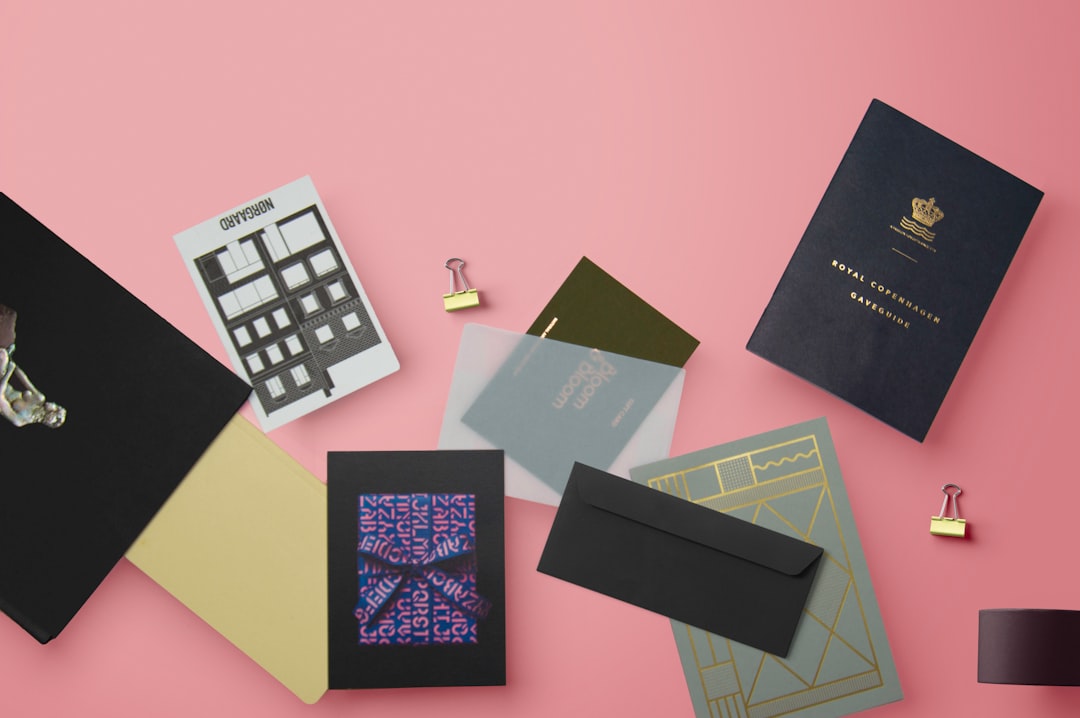
- Premium materials like cotton paper, wood veneer, or metal
- Letterpress or foil stamping for a tactile feel
- Minimalist or abstract design often reflecting architectural geometry
- Typography choices that express a professional’s aesthetic
- Unique dimensions or die cuts that enhance memorability
Top Business Card Makers for High-End Architectural Branding
Several professional card makers specialize in products tailored to creatives and tech-savvy professionals. For architects, however, the selection narrows down to those that balance artistry with elegance. Below are some of the top companies custom-fit for this audience:
1. Moo
Moo is a favorite in the design industry thanks to its robust customization capabilities and eye-catching finish options. Architects can opt for soft-touch Luxe business cards, made up of four layers of Mohawk Superfine paper with a color seam at the center for added personality.
- Special Features: Foil elements, spot gloss, thick card stock
- Price Range: Moderate to High
- Best For: Architects who want sleek, clean, and durable cards
2. Jukebox Print
Jukebox is revered for its wide range of innovative material options such as cork, bamboo, and recycled pulp. For sustainable-focused architects, these eco-friendly choices can align their personal values with their client-facing brand.
- Special Features: Custom shapes, letterpress printing, textured surfaces
- Price Range: High
- Best For: Firms focusing on sustainability and organic design languages
[h3>3. Luxury Printing
True to its name, Luxury Printing offers elite finishes such as gold leafing, duplexing, and metallic embossing. Their cards scream prestige and are well-suited for architects dealing with luxury residences, commercial spaces, or bespoke design projects.
- Special Features: Gold foiling, raised ink text, edge painting
- Price Range: Very High
- Best For: Small architectural consultancies with reputation-based clientele
4. Bella Figura
Bella Figura is designed for design-savvy professionals. Known for eco-conscious practices and artisanal-crafted cards, they provide options like cotton paper and traditional letterpress—perfect for producing tactile cards that feel just as beautiful as they look.
- Special Features: Handmade paper, customizable foil colors, blind embossing
- Price Range: High
- Best For: Architects who blend classic style with modern detail
Design Tips for High-End Architectural Business Cards
When designing a business card for an architecture practice, it’s crucial to convey clarity and thoughtfulness. Busy designs or universally bland templates won’t suffice when attracting elite clients looking to invest in landmark projects or custom homes.
Here are some expert design tips:
- Stick to monochrome or elemental color palettes: These tend to feel more refined and modern.
- Allow for negative space: Doing less design-wise can often communicate more authority and elegance.
- Use thick, substantial card stock: Heavier cards create better tactile feedback and signal permanence.
- Balance hierarchy and typography: Sizing and fonts should lead the eye and reflect your architectural ethos.
The Role of Typography and Symbolism in Architectural Branding
Typography speaks volumes in the business of architecture. It gives prospective clients insight into the traditions, personality, and sensibility of the architect. A serif type, for instance, can imply a classical orientation, whereas modernist sans-serif fonts evoke forward-thinking minimalism.
Incorporating subtle logos or minimalist architectural lines can also add personality without overwhelming the design. These details help align the card’s aesthetic with the practice’s philosophy.
When to Update Your Business Card
An outdated card can misrepresent a seasoned architect’s growth and professional evolution. It is advisable to reassess business card designs whenever the firm undergoes:
- Brand refresh or new visual identity standards
- Target market shift, such as pursuing a wealthier demographic
- New certifications, accolades, or partnerships
A periodic refresh ensures that the tangible face of your brand continues to represent the best version of your business.
Conclusion
For architects, the business card is as much a tool of professional interaction as it is a piece of mini architecture—form, function, and elegance all working together in a confined rectangular dimension. When targeting high-end clients who value mastery in detail and luxury, an ordinary card just won’t do. The best business card makers offer customization, superior quality, and visual eloquence that mirrors the architect’s own portfolio. Investing in these cards is both a branding strategy and an artistic expression of professional excellence.
Frequently Asked Questions (FAQ)
- Q: How much should I spend on premium business cards?
A: For high-end clients, budget between $100 to $500 for a batch of 100-250 cards. The cost depends on materials, finishes, and level of customization. - Q: What’s the best material for a luxury business card?
A: Cotton paper, metal, wood veneer, and textured cards like letterpress or foil-enhanced options offer the most tactile luxury appeal. - Q: Can I design the cards myself or should I hire a designer?
A: If you’re confident in aligning branding and aesthetics, you may use self-service tools. However, for maximum uniqueness, hiring a graphic designer with architectural branding experience is recommended. - Q: How often should I redesign my business cards?
A: Every 2–5 years or when a significant branding, title, or market shift occurs in your practice. - Q: What are the biggest design mistakes to avoid?
A: Avoid overcrowded layouts, poor-quality printing, uninspiring fonts, and low-grade card stock when appealing to discerning clientele.