


In recent weeks, a growing number of developers and enterprise clients reported unexpected failures when attempting to use ChatGPT plugins. These failures, particularly rendered as HTTP 500 errors during API calls, prompted widespread concern and time-sensitive troubleshooting. The underlying issue was eventually traced to expired or improperly rotated credentials used in third-party integrations. Thanks to rapid intervention and systematic credential rotation, these plugins have since been restored to full operation.
TL;DR
Several ChatGPT plugins recently began returning 500 errors due to expired or misconfigured API credentials. These failures impacted plugin stability and impaired functionality for end users relying on real-time data calls. After a coordinated investigation, the issue was resolved by implementing secure, automated credential rotation and reinstating proper access tokens across affected services. Plugin functionality is now fully restored with enhanced monitoring to prevent future disruptions.
The Nature of the Error: What is a 500 Error?
An HTTP 500 Internal Server Error is a generic response indicating that a server encountered an unexpected condition preventing it from fulfilling a request. In the context of plugins based on the ChatGPT ecosystem, these errors often stem from:
- Server-side misconfigurations
- Upstream API point failures
- Expired authentication credentials
- Incorrect access permissions
When multiple plugins suddenly began failing—some intermittently, others consistently—developers quickly identified a common factor: failed authorization checks during real-time external API access.
Symptoms Observed Across the Plugin Ecosystem
Users affected by the 500 errors noted a variety of symptoms specific to individual plugins. These included:
- Broken or incomplete responses from financial, weather, or mapping tools
- Failure to retrieve third-party data for airline schedules and bookings
- Non-responsive interfaces for subscription integration tools
Logging tools traced the issue back to failed outgoing calls—every one of which relied on embedded credentials for authorization. The presence of 401 Unauthorized and 403 Forbidden errors in the response chain suggested the institution of new access control policies or lapses in existing credential validity.
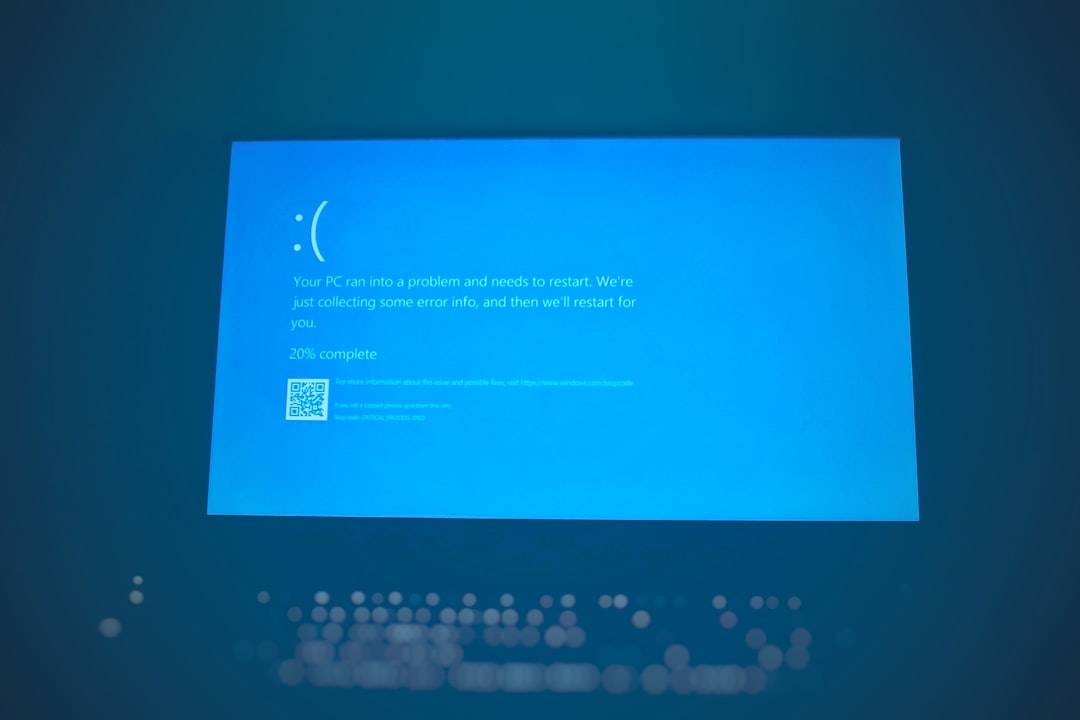
Diagnosis Process: Identifying the Root of 500 Errors
OpenAI and the broader developer community launched a multi-pronged effort to resolve the issue. This included:
- Scanning plugin configuration files for expired tokens
- Re-validating OAuth flow endpoints used by external APIs
- Auditing access privileges associated with refreshed tokens
- Testing plugin endpoints in staging environments
A key reveal was the discovery that tokens used to authenticate with certain OAuth 2.0 providers had expired without triggering regeneration mechanisms. Additionally, some plugins had hardcoded credentials that were no longer honored by their respective API providers after a scheduled key rotation event.
Credential Rotation: The Silent Guardian of Security
Credential rotation refers to the practice of regularly updating API keys, secret tokens, and other authentication materials to mitigate the risks associated with compromise or expiration. Many modern API providers implement automated expiration policies as a security measure, requiring developers to renew or rotate credentials at specific intervals.
In this case, credentials for several third-party services—including mapping data, payment processors, and airline databases—had quietly expired. Moreover, some security providers, reacting to global security best practices, had enforced stricter rotation policies without back-port compatibility, meaning old credentials were automatically rejected.
Key Challenges in Credential Management Identified:
- Plugins using static or hardcoded credentials, which failed silently when policies changed
- Lack of alerting when credentials were nearing expiration
- Absence of fallback authentication flows for plugin APIs
- Limited staging environments to pre-test credential expiry scenarios

The Fix: A Strategic Credential Overhaul
The resolution of the crisis required careful, coordinated action between plugin developers, API providers, and platform maintainers at OpenAI. Three major actions contributed directly to the rehabilitation of failing plugins:
- Automated Token Renewal Pipelines: Introduced service-side automation using CI/CD systems to rotate API credentials monthly.
- OAuth2 Compliance Audits: All plugins were validated for proper implementation of OAuth2 refresh tokens and expiration handling.
- Fallback Mechanisms and Credential Health Checks: Periodic self-tests now alert when an API key is within 72 hours of expiration.
In addition, OpenAI issued a patch to improve visibility into third-party plugin errors. Previously obtuse 500 renditions now carry more context for easier diagnosis, including clues like provider names, endpoint failures, and authentication flags.
Consequences of the Disruption
While the failures were temporary, their impact was not negligible. Enterprises relying on real-time plugin data for operations—including airline service check-ins and financial modeling—reported hours of delays and information inconsistencies.
Trust in plugin architectures was tested. CTOs at firms using custom plugins began issuing internal reviews of external dependency chains. As a result, the crisis has triggered:
- Widespread shifts toward event-driven alerts in plugin monitoring
- Direct collaboration channels between plugin developers and API providers
- Increased interest in decentralized token vault systems
Lessons Learned and Path Forward
This event highlighted how even seemingly minor architectural oversights—such as overlooking token lifespan—can cascade into visible service interruptions. Equally important is the insight that recovery is less about patching than it is about structural hardening against similar future risks.
To that end, OpenAI is currently working with plugin developers to introduce a Plugin-Oriented Security Protocol (POSP) that outlines best practices for:
- Credential storage and refresh process models
- Alert thresholds for token expiry
- Automated test deployments before production credential usage
Recommendations for Developers
In light of these incidents, developers using or building ChatGPT plugins are advised to:
- Implement token expiry callbacks that pre-warn systems of upcoming invalidations
- Adopt API clients that support credential refresh logic natively
- Schedule regular simulation events to test plugin failure scenarios in staging
- Monitor plugin logs for unstructured response anomalies indicative of 500-class errors
Conclusion
Though brief, the wave of ChatGPT plugin failures in the form of 500 errors underscored the fragile nature of trust in third-party integrations. Restoring service required more than superficial debugging; it demanded system-wide upgrades to how credentials are issued, tracked, and refreshed. With the roll-out of credential rotation frameworks and health-based monitoring, the plugin ecosystem is now more resilient, offering greater continuity and trust to developers and enterprises alike.