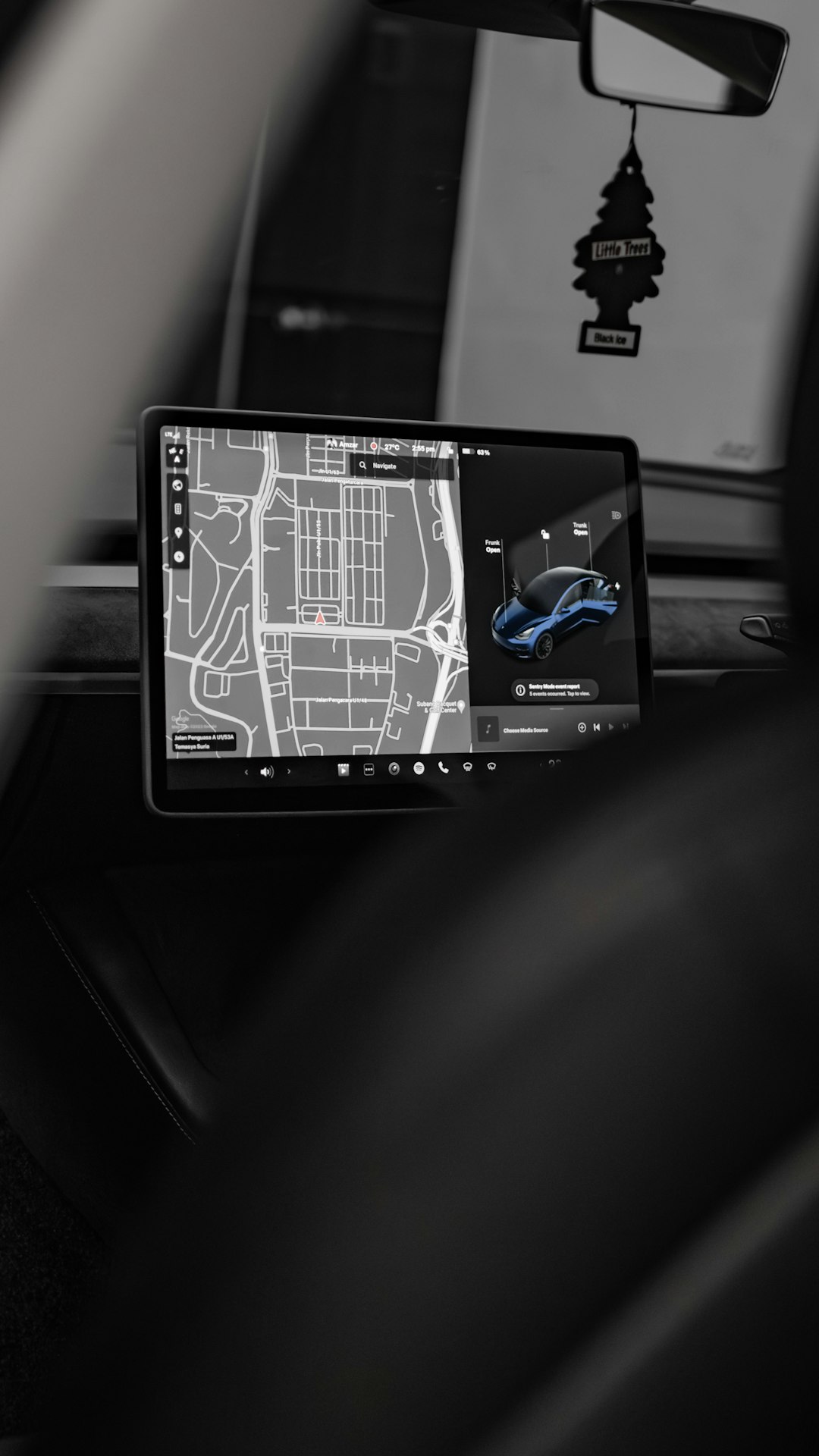


When car manufacturers expand beyond their home markets, they face more than logistical hurdles and regulatory differences. Language and culture become decisive factors in whether a vehicle resonates with drivers in Tokyo, Berlin, São Paulo, or Johannesburg. Translation, when treated as a strategic business function rather than a simple conversion of words, plays a central role in how leading automotive brands build trust, communicate innovation, and localize their customer experience worldwide.
TL;DR: Global car manufacturers rely on high-quality translation to connect with international customers, comply with local regulations, and protect their brand voice. From marketing campaigns to in-car software and safety documentation, translation supports every stage of market expansion. Companies that invest in culturally aware, technologically advanced translation strategies gain a competitive edge in new regions.
Translation as a Strategic Growth Tool
For decades, automakers viewed translation primarily as an operational necessity: user manuals had to be readable, and compliance documents had to meet legal requirements. Today, industry leaders see translation as a growth accelerator. As markets become more competitive, especially in Asia, the Middle East, and Africa, language accuracy and cultural nuance can influence purchasing decisions just as much as price or performance.
Brands like Toyota, Volkswagen, and BMW have developed centralized language strategies that align translation with corporate goals. Instead of treating each market independently, they define global terminology standards, tone of voice guidelines, and localization rules that can be adapted regionally. This ensures consistency across markets while still allowing flexibility for local preferences.
Image not found in postmetaLocalizing Marketing and Brand Messaging
Automotive marketing is deeply emotional. Advertisements are designed to evoke freedom, reliability, innovation, or sustainability. Direct translation often fails to convey these emotional cues. Leading manufacturers therefore invest heavily in transcreation, a creative form of translation that adapts slogans, taglines, and campaigns to suit local cultural contexts.
For example, a campaign emphasizing rugged independence in North America may be reworked in densely populated European cities to highlight efficiency and environmental responsibility. In emerging markets, messages often focus on durability, affordability, and after-sales support.
- Slogans and taglines are rewritten to preserve intent rather than literal wording
- Visual references are adapted to reflect local lifestyles and values
- Color and symbolism are checked for cultural appropriateness
This culturally attuned translation helps brands avoid costly missteps while building authentic connections with local audiences.
Translation in Digital and In-Car Technologies
Modern vehicles are no longer purely mechanical products; they are digital platforms on wheels. Infotainment systems, voice assistants, navigation software, and mobile apps all rely on language to function effectively. For global manufacturers, translating these interfaces accurately and naturally is essential to user satisfaction and safety.
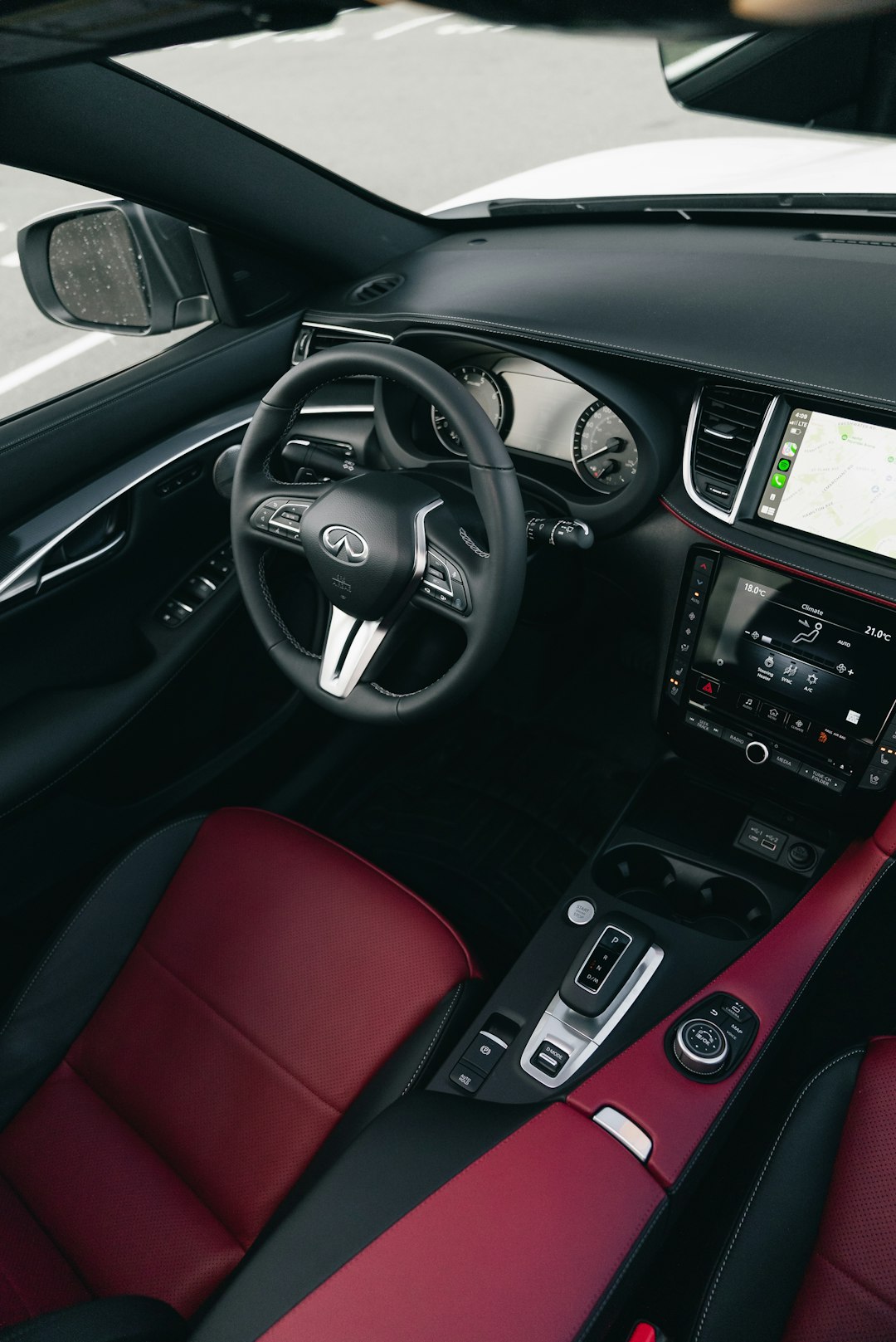
Leading companies use specialized automotive linguists who understand technical terminology and user experience principles. A poorly translated command or unclear warning message can confuse drivers or even create safety risks. As a result, carmakers invest in extensive testing and linguistic validation for each target language.
Voice recognition presents an additional challenge. Accents, dialects, and colloquial expressions vary widely, even within the same language. To address this, manufacturers collaborate with AI and language technology providers to train systems on local speech patterns. This ensures that drivers feel understood and comfortable interacting with their vehicles.
Compliance, Safety, and Legal Translation
Every country has its own regulatory framework governing vehicle safety, emissions, and consumer rights. Translating compliance documents is a non-negotiable aspect of entering a new market. However, top manufacturers go beyond basic compliance by ensuring that safety-related translations are clear, precise, and accessible.
User manuals, warranty information, and safety warnings must be not only accurate but also easy to understand for non-technical readers. Misinterpretation can lead to improper vehicle use or legal disputes. To mitigate risk, automakers often follow rigorous processes that include:
- Multistage translation and review by subject-matter experts
- Terminology management systems to ensure consistency
- Regular updates reflecting regulatory or product changes
This careful approach protects both consumers and the manufacturer’s reputation.
Supporting Global Supply Chains and Dealer Networks
Translation is not limited to customer-facing content. Internally, global car manufacturers depend on translation to coordinate complex supply chains and dealer networks that span continents. Technical specifications, training materials, repair guides, and internal communications must be accurately translated to ensure smooth operations.
Dealership staff, in particular, rely on localized training content to explain features, financing options, and maintenance requirements to customers. When translations are clear and culturally aligned, sales teams are more confident, and customers feel better informed.

Some manufacturers maintain centralized translation platforms that allow dealerships worldwide to access up-to-date materials in their local language. This reduces delays, eliminates inconsistencies, and supports faster market entry for new models.
Leveraging Technology and AI in Translation
To manage the sheer volume of multilingual content they produce, leading automakers increasingly rely on translation technology. Translation management systems (TMS), AI-powered machine translation, and terminology databases are integrated into their content workflows.
However, human expertise remains essential. While machine translation accelerates turnaround times, professional linguists review and refine the output, especially for high-visibility content such as marketing campaigns or safety instructions. This hybrid approach allows manufacturers to balance speed, cost, and quality.
Some brands also analyze customer feedback in multiple languages to improve products and services. By translating reviews, support tickets, and social media comments, they gain insights into regional expectations and pain points.
Building Trust Through Language
Ultimately, effective translation helps car manufacturers build trust. When customers interact with a brand in their own language and cultural context, they feel respected and valued. Clear communication reduces uncertainty, enhances brand loyalty, and supports long-term success in new markets.
In an industry where competition is fierce and differentiation is increasingly subtle, language becomes a powerful differentiator. Leading car manufacturers understand that translation is not just about reaching more people, but about speaking to them in a way that feels natural, relevant, and reliable.
As global markets continue to evolve, the automakers that invest strategically in translation and localization will be best positioned to drive growth, innovation, and customer satisfaction worldwide.