


In the fast-paced digital age, having a mobile app can be the secret sauce to business growth or personal project success. However, one of the most frequently asked questions by aspiring app creators is: How long does it take to develop an app? The answer isn’t as straightforward as you might hope—because development time depends on a broad range of factors.
TL;DR
App development timelines vary significantly based on the complexity, features, platform, team size, and design requirements. A simple app can take 2 to 4 months to develop, while more complex ones may require 6 to 12 months or more. Factors such as backend infrastructure, integrations, testing, and post-launch updates also influence the timeline. Clear planning and realistic expectations are key to a successful app launch.
Understanding App Development Timelines
Developing an app isn’t just about coding—it’s a multi-step process that involves planning, design, testing, and ongoing maintenance. Let’s break down the average timelines based on app complexity:
- Simple App: 2–4 months
- Mid-Level App: 4–6 months
- Complex App: 6–12+ months
Keep in mind, these are general estimates, and real-world timelines can vary dramatically depending on specific circumstances.
Key Factors That Influence App Development Time
1. App Complexity
This is the primary driver of timelines. A to-do list app with basic functions will require significantly less time than an app like Uber or Instagram that involves real-time GPS tracking, photo/video processing, or chat functionalities.
Areas that increase complexity include:
- User authentication systems
- Payment integrations
- API integrations
- Real-time capabilities (chats, live updates)
- Custom animations or gesture controls
Each added feature increases not only the development time but also the time needed for testing and debugging.
2. Platform Selection: iOS, Android, or Both?
Choosing the platform(s) for your app impacts the development duration significantly.
- Single Platform: If you’re building only for Android or iOS, you’ll save time and resources.
- Cross-Platform: Leveraging cross-platform frameworks like Flutter or React Native can reduce build time compared to two separate native apps.
- Native Apps: Building apps separately using Swift for iOS and Kotlin/Java for Android usually takes longer but may offer better performance.
Decide based on your audience and resources. Want to reach the most users quickly? Cross-platform may be the way to go.
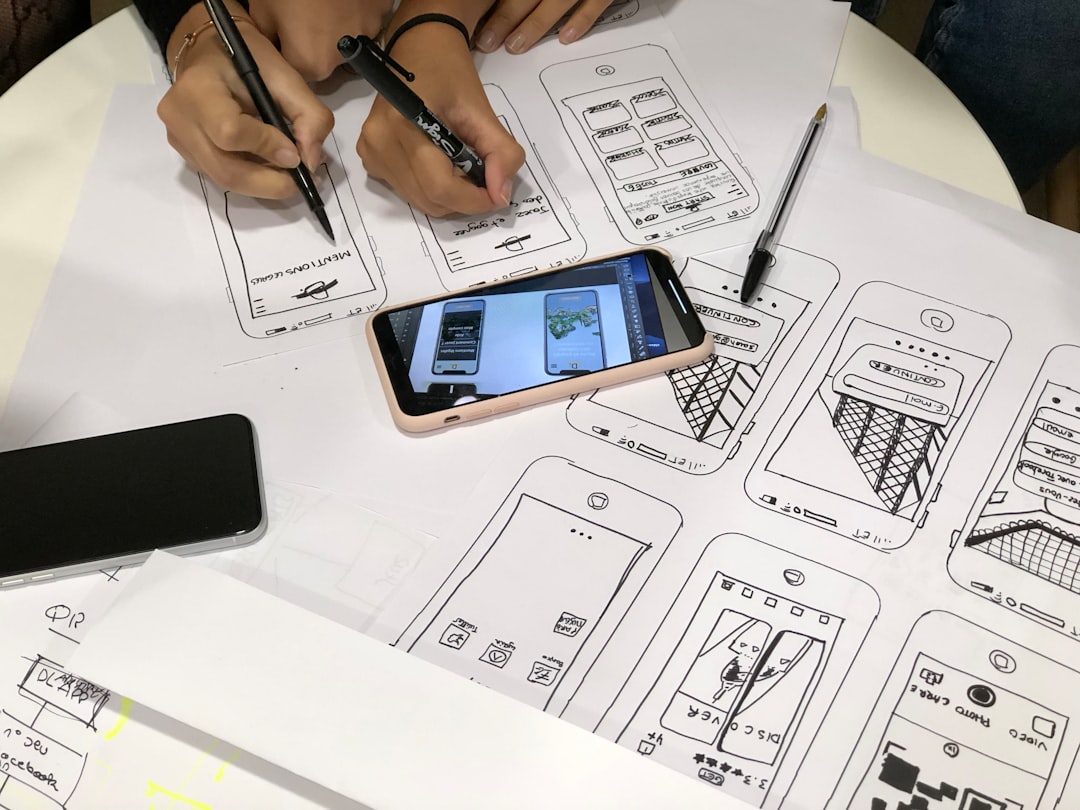
3. UI/UX Design Complexity
Design isn’t just about how your app looks — it’s about how it feels and flows. Custom animations, intuitive user pathways, and polished aesthetics can take considerable time to design and implement.
Stages in the design process include:
- Wireframing
- Prototype creation
- User feedback and iterations
- Final design handoff
A great design ensures user retention but adds time to the development cycle, particularly if multiple revisions are needed.
4. Backend Infrastructure
Apps that require user authentication, cloud storage, payment processing, or data synchronization need robust server-side components. Building and securing the backend is a time-intensive process, often running parallel to front-end development.
Common backend elements include:
- Database setup and architecture
- Server-side APIs
- Security implementations
- Scalability preparations
The more intertwined your app is with backend services, the longer it will take to ensure everything is well-integrated and secure.
5. Team Size and Experience
A solo developer will naturally take longer than a full-stack team. Larger, more experienced teams can work on multiple app components simultaneously, dramatically reducing the overall development schedule.
Typical roles include:
- Product Manager
- UI/UX Designer
- Front-end Developer
- Back-end Developer
- QA Tester
However, bigger teams need better coordination, which means more project management and potential for delays if communication breaks down.
6. App Testing and QA
Testing is critical to ensure your app works seamlessly across devices, platforms, and use cases. More complex apps with numerous integrations and user paths require extensive testing time—both manual and automated.
Testing phases include:
- Internal Alpha Testing
- Closed Beta Testing
- Open Beta/Soft Launch
- Post-launch patching and monitoring
Skipping or underestimating testing is a recipe for disaster. Bugs and user complaints can severely affect your app’s reputation, so it’s better to be thorough upfront.
7. Post-Launch Considerations
After you launch, your development journey isn’t over. Bugs emerge once real users start interacting with your app, and updates are needed to keep things running smoothly and stay compatible with new OS versions.
Post-launch tasks include:
- Monitoring usage analytics
- Fixing bugs and crashes
- Rolling out new features
- User feedback-driven updates
Factor this into your timeline. Even after release, your development team will remain occupied for months, if not years.

Sample Timelines Based on App Type
Here are a few rough estimates for typical app categories:
- Social Networking App (e.g., chat + feed): 6–12 months
- E-commerce Platform: 5–10 months
- Fitness Tracking App: 4–8 months
- Educational Quiz App: 2–4 months
- Real-Time Location App (like Uber): 9–15 months
These ranges consider design, development, testing, and launch phases but could vary significantly depending on the team and objectives.
Tips to Shorten Development Time
While app development will always take time, there are ways to streamline the process:
- Start with an MVP: A Minimum Viable Product lets you launch faster and gather user feedback early.
- Use Third-party APIs and SDKs: Don’t reinvent the wheel — leverage tools and libraries when possible.
- Agile Development: Break the project into smaller sprints to get quicker results and improve iteratively.
- Clear Specifications: Avoid scope creep by defining features and requirements upfront.
Final Words
So, how long does it take to develop an app? It depends — but with the right planning, team, and scope management, you can set realistic expectations and control your timeline. Whether it’s a few months or over a year, remember that building a great app is a marathon, not a sprint. And in the rapidly evolving app marketplace, quality and user experience should always trump rushing to market.