

Photographers, influencers, and casual creators alike often strive for a cohesive aesthetic in their social feeds. VSCO, one of the most popular photo editing apps, offers powerful tools to achieve this look efficiently. One of its most time-saving features is the ability to copy and paste edits from one photo to another. Learning how to use this feature properly can drastically improve workflow and maintain visual consistency across multiple images.
TLDR: VSCO allows users to copy edits from one image and paste them onto others to maintain a consistent look and save time. The process involves editing a photo, selecting the copy edits option, and applying those edits to selected images. Users can paste full adjustments or tweak them further for individual images. Mastering this feature is essential for achieving a cohesive feed or batch-editing efficiently.
Why Copying and Pasting Edits in VSCO Matters
Consistency is essential in visual storytelling. Whether someone is curating an Instagram feed, building a brand identity, or creating a photography portfolio, uniform edits can elevate the overall presentation. Instead of manually reapplying filters and fine-tuning exposure, temperature, and tone settings for each photo, VSCO users can replicate edits in seconds.
Main benefits include:
- Time efficiency – Edit once, apply many times.
- Consistency – Maintain a unified aesthetic.
- Workflow improvement – Streamline batch editing.
- Creative control – Adjust pasted edits as needed.
By leveraging this feature, users transform what could be hours of detailed editing into a process that takes minutes.
Step-by-Step: How to Copy Edits in VSCO
The process begins with editing a single image. This image will serve as the “base” for all future edits.
Step 1: Open and Edit a Photo
First, the user selects a photo from their VSCO studio. Using available tools, they apply the desired preset or manually adjust settings like exposure, contrast, saturation, grain, and white balance.
It’s important to fully refine this image before copying edits. Once edits are pasted, they will mirror every adjustment applied here.
Step 2: Tap the Options Menu
After completing the edits, the user taps the three-dot icon located in the corner of the screen. This opens additional options.
Step 3: Select “Copy Edits”
From the menu, they choose Copy Edits. VSCO instantly saves all adjustments made to that specific photo.
At this stage, the edits are temporarily stored and ready to be pasted onto another image.
How to Paste Edits onto Another Photo
Once adjustments are copied, the next step is applying them.
Step 1: Return to the Studio
The user navigates back to their photo grid (also called the studio view).
Step 2: Select the Target Image
They select the image that should receive the copied edits.
Step 3: Open the Options Menu
Tapping the three-dot icon again reveals editing options.
Step 4: Tap “Paste Edits”
Once selected, VSCO automatically applies the previously copied adjustments to the chosen image.
From here, the user can either save the image as is or fine-tune specific settings to better suit the new photo.
Batch Pasting Edits to Multiple Photos
For those editing an entire album or shoot, VSCO also allows batch application.
How batch pasting works:
- Copy edits from the base image.
- Return to the studio view.
- Tap Select in the top corner.
- Choose multiple images.
- Tap the three-dot icon.
- Select Paste Edits.
This feature is particularly useful for event photography, travel albums, or curated social media content where lighting conditions are similar across shots.
Copy and Paste vs Manual Editing
While manual editing offers customization for every photo, copying and pasting edits provides speed and consistency. Below is a comparison chart outlining the differences:
| Feature | Copy & Paste Edits | Manual Re-editing |
|---|---|---|
| Time Required | Very fast | Time-consuming |
| Consistency | High consistency across photos | May vary between images |
| Creative Flexibility | Moderate (with tweaks) | Very high |
| Best For | Batch editing, cohesive feeds | Unique, individual images |
In many cases, combining both approaches works best. Users often paste edits first and then slightly refine exposure or cropping per image.
Tips for Better Results When Copying Edits
Simply pasting edits doesn’t guarantee perfect photos. Lighting, composition, and colors vary from image to image. Here are smart strategies to ensure quality remains high:
- Adjust exposure individually: Lighting differences are common, even within the same shoot.
- Check skin tones: Presets may affect subjects differently depending on background tones.
- Fine-tune white balance: Indoor and outdoor photos react differently to temperature settings.
- Review cropping: Cropping does not transfer between images.
- Zoom in for clarity: Grain and sharpening may need small tweaks.
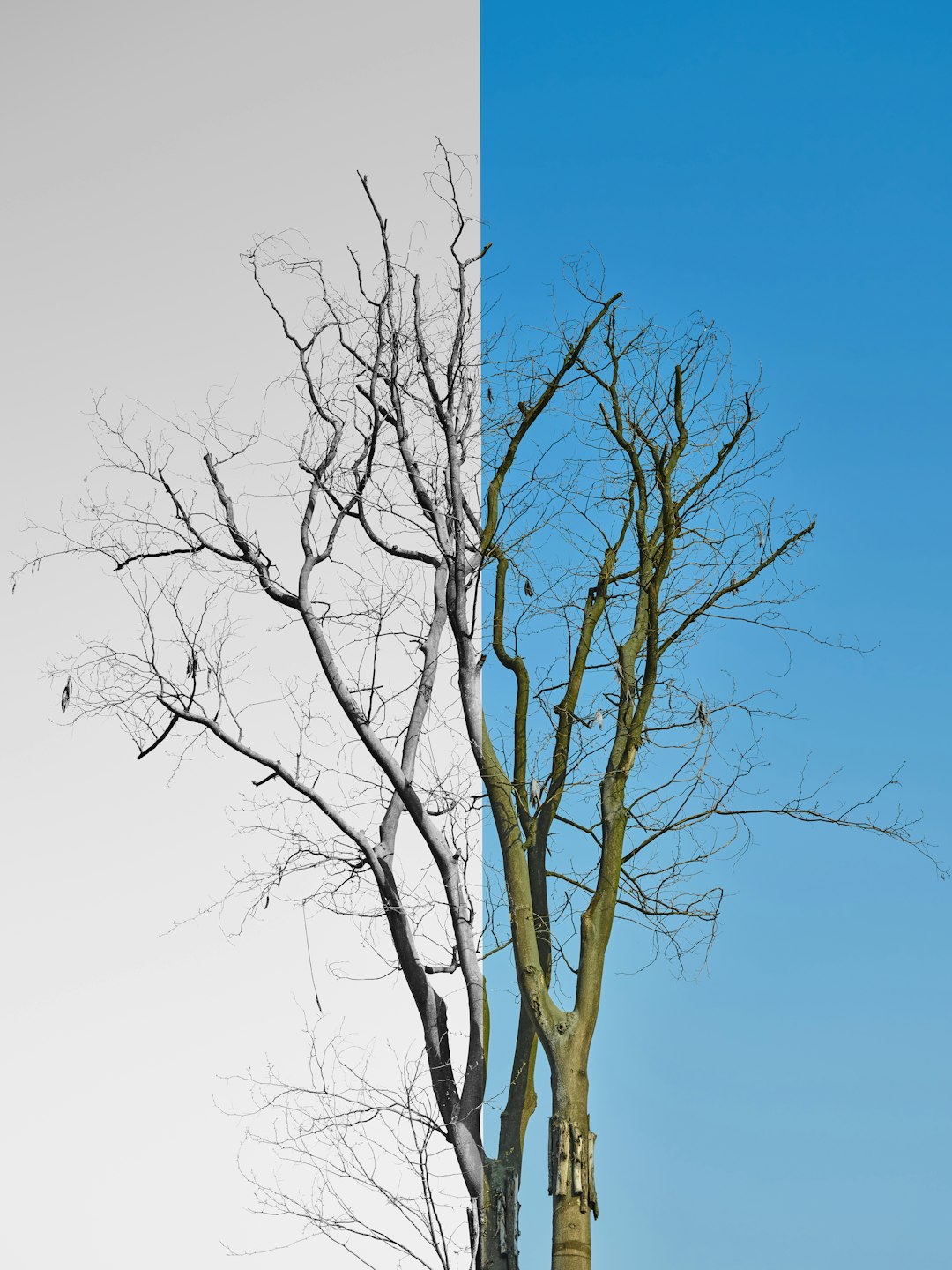
Experienced creators rarely rely solely on pasted settings. They treat copied edits as a starting framework rather than a final result.
Common Mistakes to Avoid
Even though the process is simple, users can encounter issues if not careful.
1. Copying Before Finalizing Edits
If the base image isn’t fully polished, all errors transfer to the next photos.
2. Ignoring Lighting Differences
Photos taken under dramatically different lighting conditions may look overexposed or too dark after pasting.
3. Overusing Heavy Filters
Strong presets can amplify inconsistencies across a series.
4. Forgetting to Save
After pasting edits, users must still export or save the final image.
Maintaining a Cohesive Instagram Feed Using VSCO
Copying and pasting edits plays a key role in maintaining a curated aesthetic. Influencers and brands often develop a signature look based on:
- Specific VSCO presets
- Consistent warmth or cool tones
- Balanced contrast levels
- Similar grain intensity
By using the same base editing template repeatedly, their content becomes instantly recognizable. Followers begin associating certain tones and moods with that creator’s identity.
For best results, many photographers create a “master” image per lighting environment. For instance:
- One base edit for sunny outdoor shots
- One for indoor warm-light photography
- One for cloudy or muted scenes
This approach avoids forcing a single preset onto drastically different scenarios.
Can You Copy Specific Edits Only?
VSCO typically copies all applied adjustments at once. However, users can adjust individual sliders after pasting. If a creator wants only the preset but not certain exposure changes, they’ll need to manually reset or tweak those specific settings after applying the paste function.
Though this may seem limiting, it actually encourages creators to review each photo carefully, ensuring they maintain high visual standards.
Exporting and Saving After Pasting Edits
Once users are satisfied with pasted edits, they must export the photo:
- Tap Next.
- Select Save to Camera Roll or desired resolution.
- Share directly to social platforms if desired.
Failing to export means the edits remain saved only within the app’s project view.
Final Thoughts
Mastering the copy and paste edits feature in VSCO dramatically improves editing efficiency and aesthetic consistency. While the process itself is straightforward, thoughtful application makes all the difference. Adjusting minor details after pasting ensures each image still feels intentional and polished.
Whether editing a professional photoshoot or curating a personal travel album, users who understand this workflow can create visually harmonious photo collections with minimal effort.
Frequently Asked Questions (FAQ)
- Can VSCO copy edits between different devices?
No. Copy and paste works only within the same device session. Edits are not automatically synced across devices unless recreated manually. - Do cropping adjustments copy as well?
No. Cropping and rotation do not transfer when copying edits. These must be adjusted individually. - Can users undo pasted edits?
Yes. Immediately after pasting, users can tap the undo arrow or manually reset adjustments. - Does VSCO allow selective copying of only presets?
Not directly. All adjustments are copied together, but users can manually reverse specific changes after pasting. - Why do pasted edits look different on another photo?
Lighting conditions, color variations, and exposure differences affect how settings appear. Minor tweaks are usually required for best results. - Is batch editing available in the free version of VSCO?
Availability may depend on the current app version and subscription plan. Users should check their specific plan features within the app.