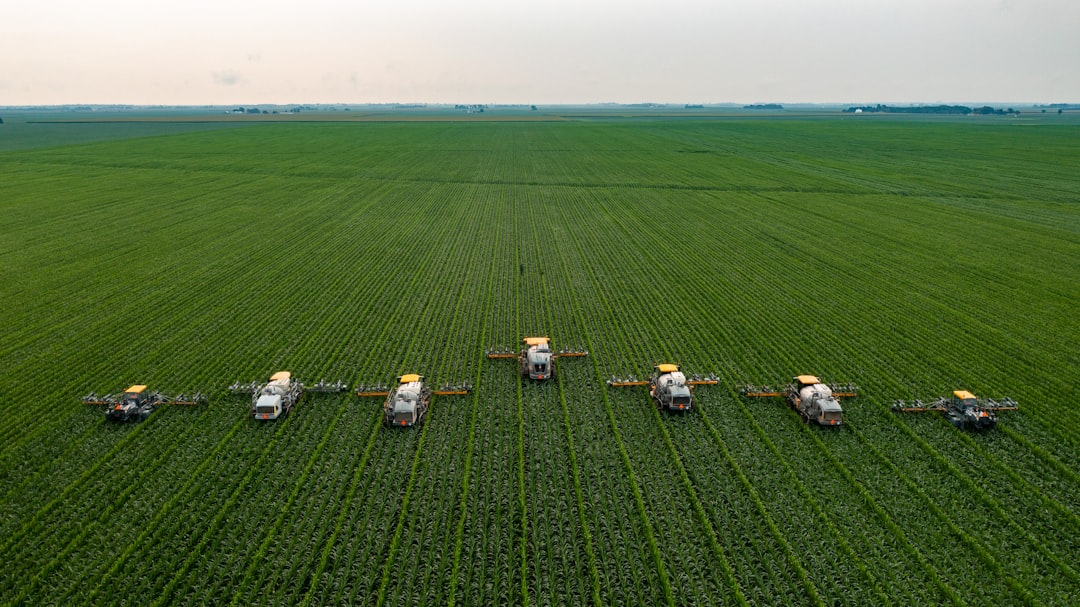


As the global population grows and the demand for food increases, the agricultural sector is under immense pressure to boost crop output while preserving natural resources. Traditional farming methods, while time-tested, now require enhancement through technology to meet modern challenges of sustainability, labor shortages, and climate unpredictability. Today, many farmers are embracing modern solutions such as the Internet of Things (IoT) and smart irrigation systems to transform traditional practices into efficient, data-driven operations.
TLDR
Modern technology is revolutionizing traditional farming by integrating IoT sensors and smart irrigation systems. These tools help farmers monitor crop and soil conditions in real-time, optimize water usage, and increase yields with better decision-making. The combination of data analytics and automation brings environmental and economic advantages. As a result, even small-scale farms stand to benefit from increased efficiency and sustainability.
The Evolution of Traditional Farming Through Technology
For centuries, farming has leaned heavily on human intuition, seasonal patterns, and local knowledge. While these elements still hold value, they are no longer sufficient to tackle issues like erratic weather, water scarcity, and pest outbreaks. The agriculturally inclined world is pivoting toward smart agriculture—leveraging IoT-enabled devices to collect data and automate critical operations.
Two of the most impactful components in this transformation are:
- IoT Sensors – Devices that collect real-time data from the environment such as temperature, humidity, soil moisture, and nutrient levels.
- Smart Irrigation Systems – Automated watering systems that rely on sensor data and algorithms to determine the optimal amount and timing of water delivery.
How IoT Sensors Enhance Agricultural Decision-Making
IoT (Internet of Things) sensors are the backbone of modern precision agriculture. These interconnected devices gather live data points from various locations in a field, enabling farmers to make informed decisions at all levels of crop management.
Key benefits of using IoT sensors include:
- Real-time Monitoring: Continuously tracks weather patterns, crop health, and soil conditions without downtime.
- Predictive Maintenance: Sensors can detect equipment anomalies and schedule maintenance before failure.
- Targeted Pest Control: Sensors identify pest-prone areas, reducing unnecessary pesticide use.
- Data-Driven Agriculture: Historical and real-time data help fine-tune planting cycles and agronomic decisions.
For example, a soil moisture sensor can alert the farmer when a particular area of the field is drying up faster than others. Armed with this data, irrigation can be localized only where needed, significantly reducing water use and preventing overwatering that could harm plants.
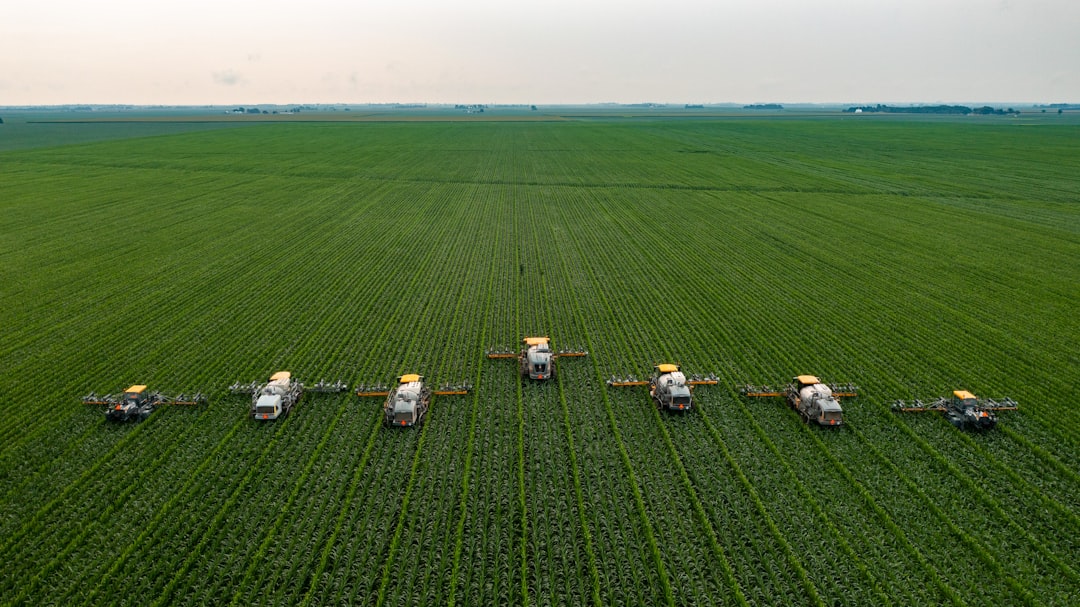
Intelligent Watering with Smart Irrigation
Irrigation is one of the most water-intensive agricultural activities. Inaccurate watering leads to waste, increased energy consumption, and sometimes lower crop yields. This is where smart irrigation systems play a pivotal role. These systems use a matrix of IoT devices, control algorithms, and communication tools to optimize water usage based on actual need.
Core components of a smart irrigation system include:
- Moisture Sensors: Measure real-time soil moisture levels to decide if irrigation is necessary.
- Weather Stations: Predict rainfall and temperature changes to avoid unnecessary watering.
- Controllers: Activate or halt irrigation based on data input and defined thresholds.
- Mobile Applications: Help monitor and manage irrigation remotely from a smartphone or tablet.
By integrating environmental data, these systems can make autonomous decisions, adjusting watering schedules accordingly. For instance, if rainfall is forecasted, the system will delay its schedule to avoid redundancy. Likewise, if a section of the crop field is drier than others, only that zone will be irrigated.
Economic and Environmental Impact
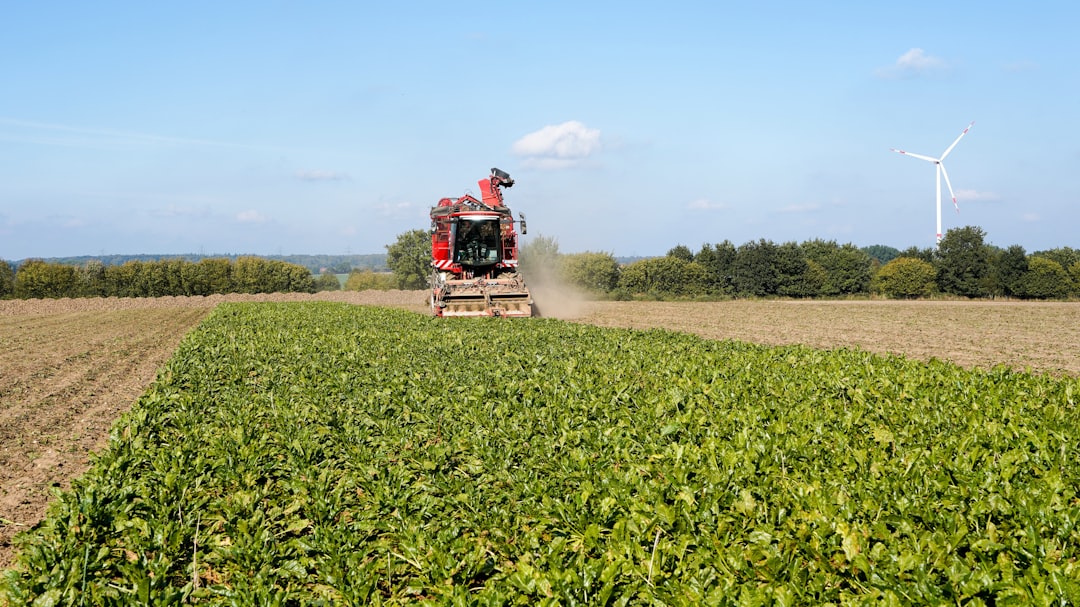
Introducing IoT and smart irrigation into traditional farming workflows not only improves efficiency but also results in substantial economic and environmental benefits. Here’s how:
1. Operational Cost Reduction
Resource optimization—whether water, fertilizers, or energy—leads to significantly lower operational costs. According to a study by the World Bank, precision agriculture technologies can reduce input costs by up to 30% while increasing yields by 20-25%.
2. Water Conservation
With global water supplies under threat, smart irrigation helps conserve potable water. Controlled irrigation systems can save up to 50% more water compared to traditional flood or sprinkler-based irrigation.
3. Reduced Environmental Footprint
Efficient use of pesticides, fertilizers, and water limits runoff and environmental pollution. Improved data tracing in IoT systems also enhances accountability and regulatory compliance, especially in regions with strict environmental controls.
4. Increased Crop Yields
Healthy crops result from timely interventions. IoT sensors and data analytics enable proactive measures rather than reactive fixes, which contributes to higher productivity and quality produce.
Accessibility for Small and Medium Farmers
One of the significant apprehensions around modernizing traditional farms with advanced technology is cost. However, the landscape is changing. The price of IoT devices and cloud-based platforms has declined considerably over the past decade.
More accessible technologies now include:
- Open-source sensor kits that can be assembled and deployed at a fraction of the cost of commercial options.
- Mobile IoT platforms offering free basic analytics and charging only for premium features.
- Government and NGO-sponsored demonstration projects providing subsidies and training to empower small farmers.
As a result, adoption rates among small and medium-scale farmers are growing, especially in regions with support ecosystems in place.
Challenges and Solutions
While the benefits of IoT and smart irrigation are clear, several challenges still inhibit widespread adoption:
- Connectivity in Rural Areas: Many remote areas lack reliable internet, affecting real-time communication. Solution: Low-power wide-area networks (LPWAN) such as LoRaWAN can provide coverage in isolated farm areas.
- Technical Proficiency: Farmers may be unfamiliar with managing digital interfaces. Solution: Training programs and local tech support hubs can bridge the knowledge gap.
- Initial Investment: Technology installation may be cost-prohibitive for smaller farms. Solution: Governments and agri-tech companies are increasingly offering micro-loans and lease-based models to reduce the upfront burden.
Looking Ahead: The Future of Sensor-Based Farming
The integration of IoT and smart irrigation is not a fleeting trend but part of a larger paradigm shift in agriculture. The future holds even more promise:
- AI-Powered Systems: Combining IoT with artificial intelligence will further automate decision-making and identify unseen patterns in farm data.
- Blockchain Integration: Ensures transparency and traceability in supply chains via immutable sensor data logs.
- Drone and Satellite Imaging: Will provide complementary data layers to enrich insights from ground-level IoT sensors.

By continuing to innovate and invest in smarter systems, the agricultural industry can rise to meet the global food demand without degrading essential natural resources. The shift to sensor-based, digitally managed farming doesn’t just promise better harvests; it secures the future of farming itself.
Conclusion
The fusion of traditional agricultural wisdom with modern technology is shaping a new era of farming. IoT sensors and smart irrigation are at the heart of this transformation, providing tools for better environmental control, higher productivity, and smarter resource use. With increasing affordability and ongoing innovation, these technologies are becoming indispensable assets—no longer luxuries—for farmers worldwide.