


The human brain is the most complex organ in the known universe. With billions of neurons interacting in unpredictable patterns, comprehending its full potential has been a pursuit of science and medicine for centuries. As we enter a new era powered by machine learning and artificial intelligence, a revolutionary system named Piramidal is charting new frontiers in decoding brain functions with unparalleled accuracy and insight.
TLDR:
Piramidal is an advanced AI-driven platform designed to model and decode the human brain by simulating its neural architecture. It leverages deep learning to interpret brain signals and unlock new capabilities in neuroscience, medicine, and artificial intelligence. By mimicking how pyramidal neurons interact, Piramidal provides breakthrough tools for diagnosing and treating neurological disorders. The technology holds immense potential for both cognitive research and real-time brain-computer interfacing.
Understanding Piramidal: A Neural Leap Forward
The name Piramidal is inspired by the brain’s pyramidal neurons, which are critical for high-level cognitive functions such as thinking, decision-making, and learning. These neurons are found in the cerebral cortex and are key players in transmitting signals across different parts of the brain.
With AI’s exponential growth, engineers and neuroscientists realized they could simulate the unique behavior of these neurons using machine learning models. This idea became the foundation of Piramidal: to build an AI framework that doesn’t just process data like a computer, but thinks, adapts, and evolves like a brain. The result is a hybrid AI-neuroscience platform that analyzes data from EEGs, MRIs, and other neuroimaging technologies to uncover how the human brain truly works.
How Piramidal Works
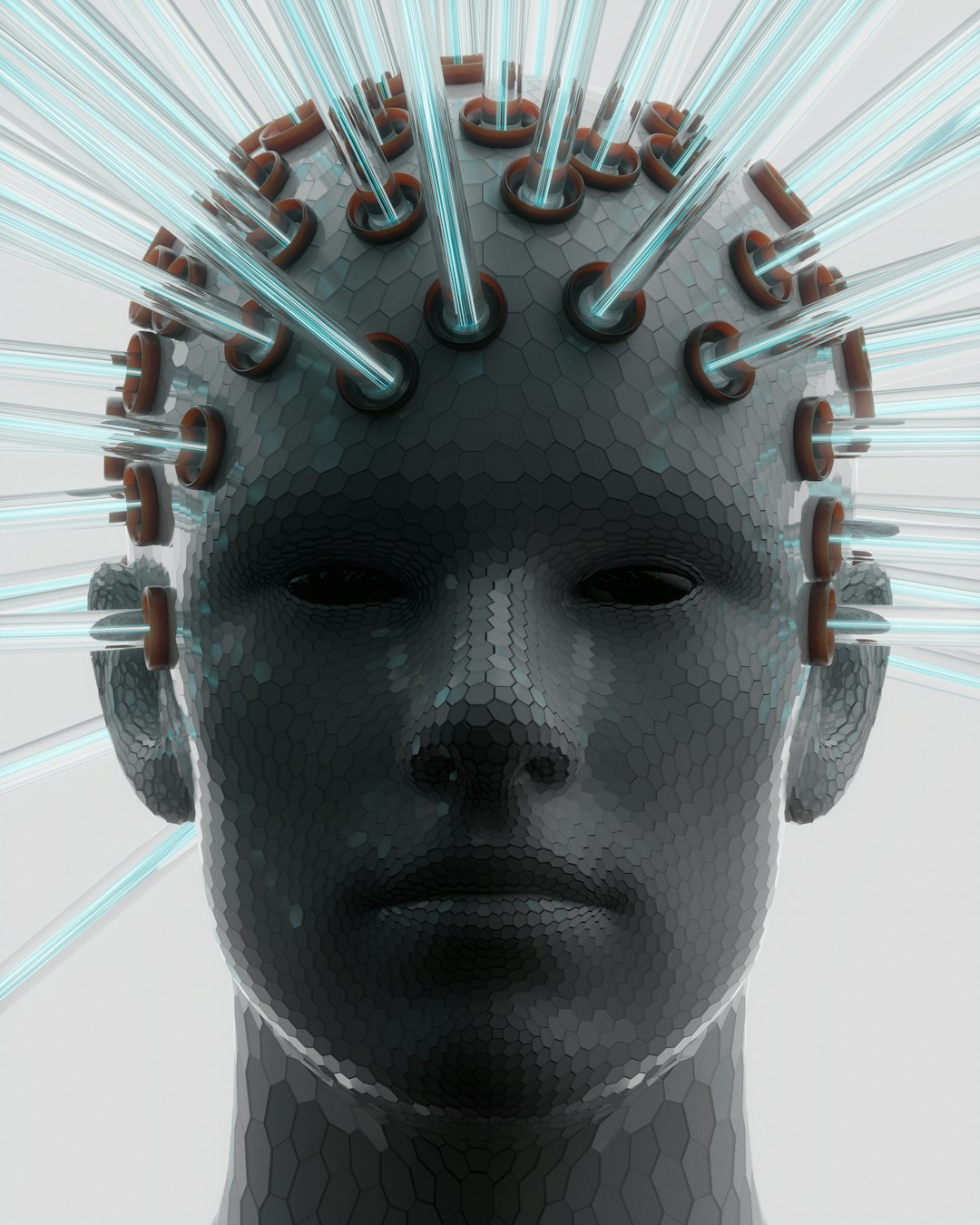
Piramidal operates on a system of layered AI models that emulate the modular structure of the brain. These layers include:
- Input Layer: Receives raw cognitive or sensory data (such as brain wave signals or visual input).
- Feature Extraction Layer: Uses convolutional neural networks (CNNs) to extract patterns similar to those identified by the human visual or auditory cortex.
- Pyramidal Processing Layer: Simulates interactions between pyramidal neurons, allowing contextual understanding, memory retrieval, and abstraction.
- Output Integration Layer: Predicts or interprets actions and thoughts based on prior neural activity.
A key differentiator of Piramidal is its self-learning algorithm. It doesn’t just analyze past brain activity — it improves with each interaction, providing more accurate predictions and interpretations over time.
Decoding Thought and Emotion
One of Piramidal’s most groundbreaking features is its ability to decode thought patterns and emotional states without invasive surgery. Using high-resolution functional magnetic resonance imaging (fMRI) and electroencephalograms (EEG), the platform interprets brain activity and converts it into quantifiable data. This enables several phenomenal use cases:
- Mental health diagnosis: Early signs of depression, anxiety, and even schizophrenia can be identified before symptoms fully develop.
- Neuro-marketing: Businesses can gauge emotional responses to products without waiting for verbal feedback.
- Communication tools for non-verbal patients: People suffering from paralysis or locked-in syndrome can potentially “speak” via thought translation.
Real-Time Brain-Computer Interfaces
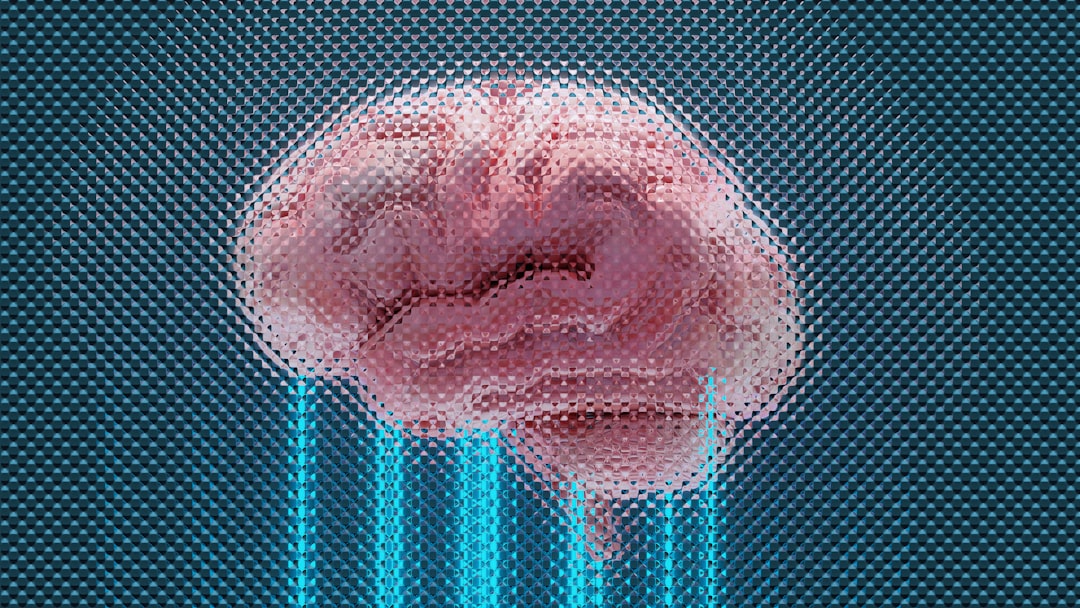
A major application of Piramidal is in the realm of Brain-Computer Interfaces (BCIs). BCIs have long promised the ability to control machines or computers using pure thought, and Piramidal may be the key to making that dream a reality for the masses.
By accurately modeling neuronal firing patterns, Piramidal enables highly responsive interfaces that allow users to type, draw, or even play games using only their mental intent. The AI continuously adapts to the user’s unique brainwave profile, offering a tailor-made interface for maximum efficiency.
Implications for Medical Research and Treatment
Piramidal is transforming not just technology, but also the world of medical diagnostics and therapy. It supports researchers and clinicians in understanding diseases like Alzheimer’s, Parkinson’s, epilepsy, and multiple sclerosis at a deeper level. By comparing brain scan patterns from affected individuals with those from healthy brains, Piramidal can:
- Predict disease progression more accurately
- Measure the effectiveness of new drug treatments
- Design personalized treatment protocols
It also has potential in neurorehabilitation. For stroke patients, understanding which areas of the brain are salvageable can inform therapy decisions. For autism, identifying overactive or underactive regions can help customized interventions.
Ethical Considerations and Challenges
With great power, however, comes great ethical responsibility. Decoding the human brain raises serious questions regarding privacy, consent, and the boundaries of technological surveillance. What does it mean to “read someone’s mind”? Could this be weaponized, or misused in law enforcement or corporate settings?
Piramidal’s developers have acknowledged these concerns and are pushing for a global framework of ethical AI in neuroscience. Amongst their proposals are:
- Strict consent guidelines for all subjects providing brain data
- Anonymization of neurological data during transmission and storage
- Display of clear purpose for each data analysis instance
- Regular third-party audits for algorithm transparency
The Road Ahead: From Understanding to Enhancement
The ultimate vision for Piramidal may go beyond just interpreting the brain — it may well be about enhancing it. By coupling AI interpretation with neural stimulation technologies like transcranial direct current stimulation (tDCS), we may be able to improve memory, attention, and learning speed.
Imagine classrooms where children are taught in sync with their cognitive rhythms, or workplaces where mental fatigue is identified and corrected in real-time. The union of human cognition and artificial intelligence through Piramidal is poised to be one of the most transformative technological movements of the 21st century.
Conclusion
Piramidal stands at the intersection of biology and technology, taking human understanding of the brain to unprecedented levels. As AI continues to evolve, this fusion could redefine not just how we study the brain, but how we use it — turning thoughts into actions, imagination into communication, and data into deeper human insight.
FAQ
- What is Piramidal?
Piramidal is an AI platform designed to simulate the behavior of pyramidal neurons in the human brain to analyze, interpret, and interact with neural data. - What are pyramidal neurons?
Pyramidal neurons are a type of cell found in the cerebral cortex. They are essential for cognitive processes like memory, decision-making, and sensory interpretation. - Is Piramidal invasive?
No, Piramidal uses non-invasive data sources like EEG and fMRI to decode brain activity without the need for surgery. - Can Piramidal read thoughts accurately?
While it can’t read thoughts word-for-word, Piramidal can detect patterns in neural activity that correspond to emotional and cognitive states, with high levels of accuracy depending on the data source. - Is this technology currently available to consumers?
Piramidal is currently in advanced research and pilot deployments in medical and research institutions, with limited beta usage in neurotechnology startups and university labs. - How does Piramidal impact mental health care?
It helps in early diagnosis, continuous monitoring, and customized treatment plans for a range of mental health conditions, enhancing overall care and recovery paths. - What are the main challenges facing Piramidal?
Ethical concerns, data privacy, accuracy of models, and the complexity of individual brain differences are key challenges ahead for large-scale deployment.