


When businesses invest in Google Ads, every click carries a cost—and an opportunity. The question of where those clicks should land is more than a technical detail; it can significantly influence conversion rates, return on ad spend, and overall campaign success. While some marketers send traffic to their homepage, others insist on dedicated landing pages built specifically for each campaign. So, should Google Ads link to a dedicated landing page? The answer involves strategy, user intent, and optimization.
TLDR: In most cases, Google Ads should link to a dedicated landing page rather than a homepage. Dedicated pages align closely with user intent, improve Quality Score, and typically convert better. They allow you to control messaging, remove distractions, and tailor the experience to a specific audience. While there are exceptions, dedicated landing pages often deliver stronger performance and better ROI.
Let’s take a deeper look at why landing page strategy matters—and when a dedicated page is the smarter choice.
Why the Destination of Your Google Ads Clicks Matters
Google Ads operates on intent. Users search for specific terms, and your ad appears because it promises to solve a need or answer a question. If your ad says “50% Off Running Shoes,” and users land on a generic homepage instead of a page that highlights the exact offer, friction increases. And in paid advertising, friction means lost money.
Each click has already cost you something. Your goal is to make the transition from search query → ad → landing page as seamless as possible.
Three key factors are influenced by your landing page choice:
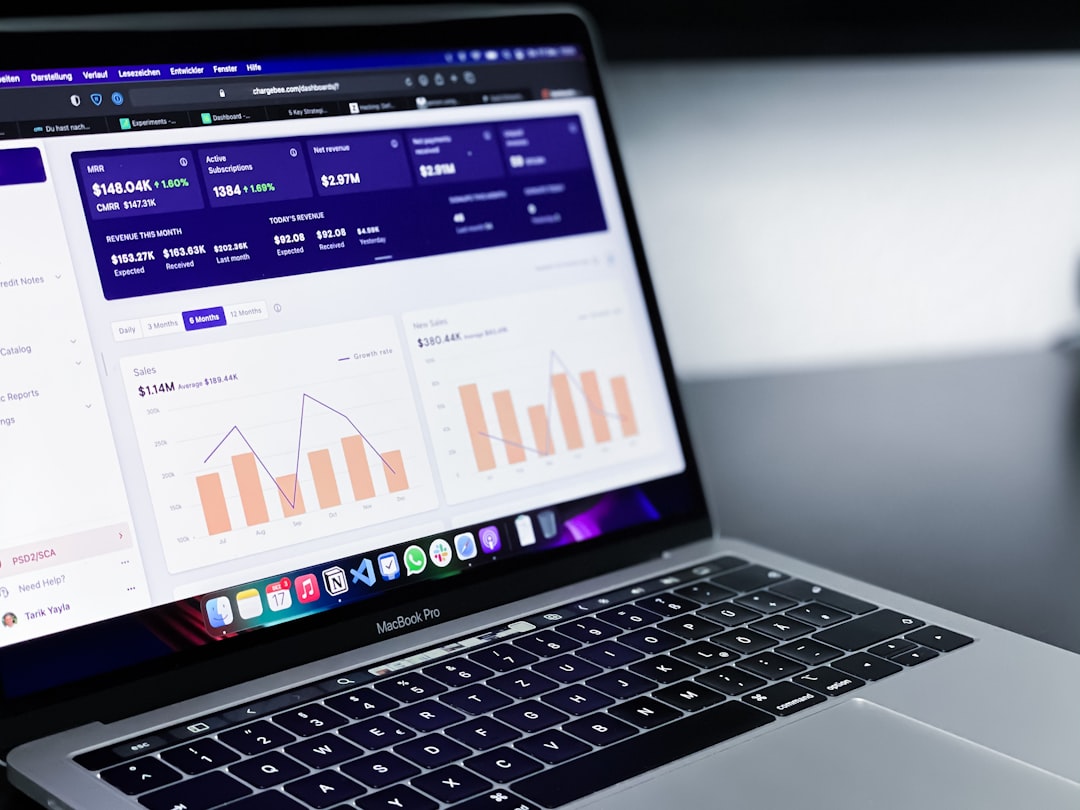
- Conversion Rate – The percentage of visitors who complete your desired action.
- Quality Score – Google’s rating of your ad relevance and landing page experience.
- Cost Per Acquisition (CPA) – The final cost of gaining a customer or lead.
When these elements improve, your campaigns become more profitable.
What Is a Dedicated Landing Page?
A dedicated landing page is a standalone page designed for a specific campaign, product, or audience. Unlike a homepage—which typically includes navigation menus, multiple offers, and broad messaging—a landing page has a singular focus and a clear call to action.
Characteristics of an effective dedicated landing page include:
- Message Match between ad copy and headline
- Minimal Navigation to reduce distractions
- Strong Call to Action (CTA)
- Relevant Visuals and Copy aligned with the ad’s promise
- Optimized Forms for lead generation or purchase
This focused structure is precisely why they often outperform general website pages.
The Case for Using Dedicated Landing Pages
1. Better Message Alignment
Consistency builds trust. If your ad promotes “Free Dental Consultation in Chicago,” your landing page should repeat that exact message. A homepage rarely provides that precision. Instead, it introduces broader brand messaging that may dilute the user’s original intent.
Relevance reduces confusion and increases the likelihood that visitors stay and convert.
2. Higher Conversion Rates
Dedicated landing pages remove unnecessary decision points. On a homepage, visitors can:
- Browse different product categories
- Visit the blog
- Check the about page
- Click social media links
Each option increases the chance they will leave without converting. Landing pages guide users toward one clear goal—such as booking a consultation, downloading a guide, or completing a purchase.
Research consistently shows that reducing distractions increases compliance. When users have a single action to take, they’re more likely to take it.
3. Improved Quality Score
Google evaluates your landing page experience as part of your Quality Score. Pages that are highly relevant to ad keywords and provide a smooth user experience typically receive higher scores.
Higher Quality Scores can result in:
- Lower cost per click (CPC)
- Better ad placements
- Improved ROI
A generic homepage often struggles to meet these standards because it targets broader topics rather than specific keyword groups.
4. Superior Tracking and Testing
Dedicated landing pages are easier to measure and optimize. When you direct traffic to a single-purpose page, you can test:
- Headlines
- CTA buttons
- Images
- Form lengths
- Page layouts
This enables A/B testing that drives incremental improvement over time. You gain clear insights into what’s working because the environment is controlled.

When Sending Traffic to a Homepage Makes Sense
While dedicated landing pages are often preferred, there are some situations where linking to a regular site page—or even the homepage—may be appropriate.
1. Branded Search Campaigns
If someone searches directly for your company name, your homepage may be the logical destination. These users already have awareness and may want to explore more broadly.
2. Limited Budgets or Resources
Small businesses with limited web development resources might not have the ability to build multiple landing pages. In this case, optimizing an existing service page can be a reasonable starting point.
3. Complex Offer Structures
If your business offers deeply interconnected services, funneling everyone into a single-path landing page may oversimplify the customer journey. Sometimes users need broader navigation to explore their options.
However, even in these situations, creating campaign-specific service pages often produces stronger results than relying on the homepage alone.
The Psychology Behind Dedicated Landing Pages
User behavior plays a powerful role in paid advertising performance. When someone clicks an ad, they experience a micro-moment of expectation. If the landing page instantly reinforces their decision, momentum builds.
If instead they encounter unfamiliar messaging, clutter, or ambiguity, doubt begins to creep in.
Dedicated landing pages capitalize on momentum. They:
- Confirm the user’s choice
- Reduce cognitive load
- Provide clear next steps
- Maintain attention
This psychological alignment is often the hidden driver behind higher conversion rates.
Mobile Considerations
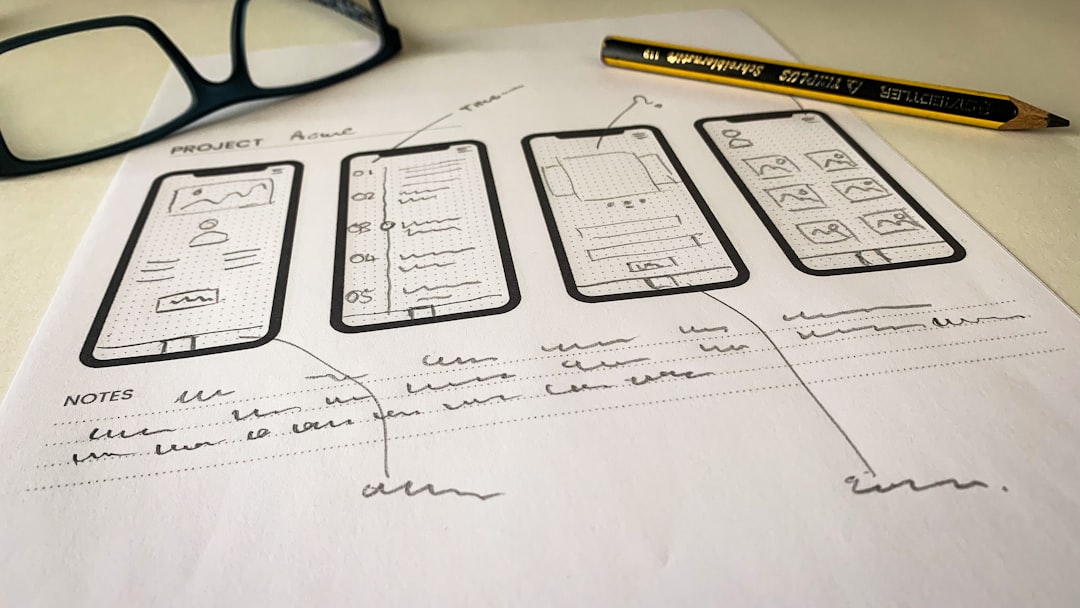
More than half of Google Ads clicks occur on mobile devices. Dedicated landing pages allow you to design specifically for small screens, with:
- Large, tappable CTAs
- Short, easy-to-complete forms
- Fast-loading images
- Concise messaging
A busy homepage with layered navigation and multiple banners often performs poorly on mobile, leading to high bounce rates.
Common Mistakes to Avoid
If you choose to use dedicated landing pages, avoid these common pitfalls:
- Overloading the page with information – Keep it focused.
- Inconsistent branding – Maintain visual alignment with your ads.
- Slow load times – Speed directly impacts conversions.
- Weak CTAs – Make the next step obvious and compelling.
- Ignoring analytics – Measure and optimize continuously.
A poorly designed landing page can perform worse than a well-optimized service page. Dedication alone does not guarantee performance—the execution matters just as much.
Strategic Implementation Tips
If you decide to use dedicated landing pages for your Google Ads campaigns, follow these best practices:
- Create one landing page per ad group when possible.
- Match headlines to primary keywords for message continuity.
- Use benefit-focused copy rather than feature-heavy descriptions.
- Add social proof such as testimonials or trust badges.
- Continuously test variations to improve performance over time.
Think of each landing page as an extension of your ad, not just another website page.
So, Should Google Ads Link to a Dedicated Landing Page?
In the majority of cases, yes. Dedicated landing pages provide tighter alignment with user intent, increased control over the customer journey, better tracking capabilities, and stronger optimization opportunities. They reduce distractions and guide visitors toward a specific outcome.
That said, strategy always matters more than rules. For branded campaigns or exploratory searches, a well-structured website page may suffice. But if your goal is maximizing conversions and optimizing ad spend, dedicated landing pages offer a measurable advantage.
Ultimately, Google Ads success depends on reducing friction and increasing clarity. A focused landing experience does exactly that. When every click costs money, guiding visitors with precision isn’t just smart—it’s essential.